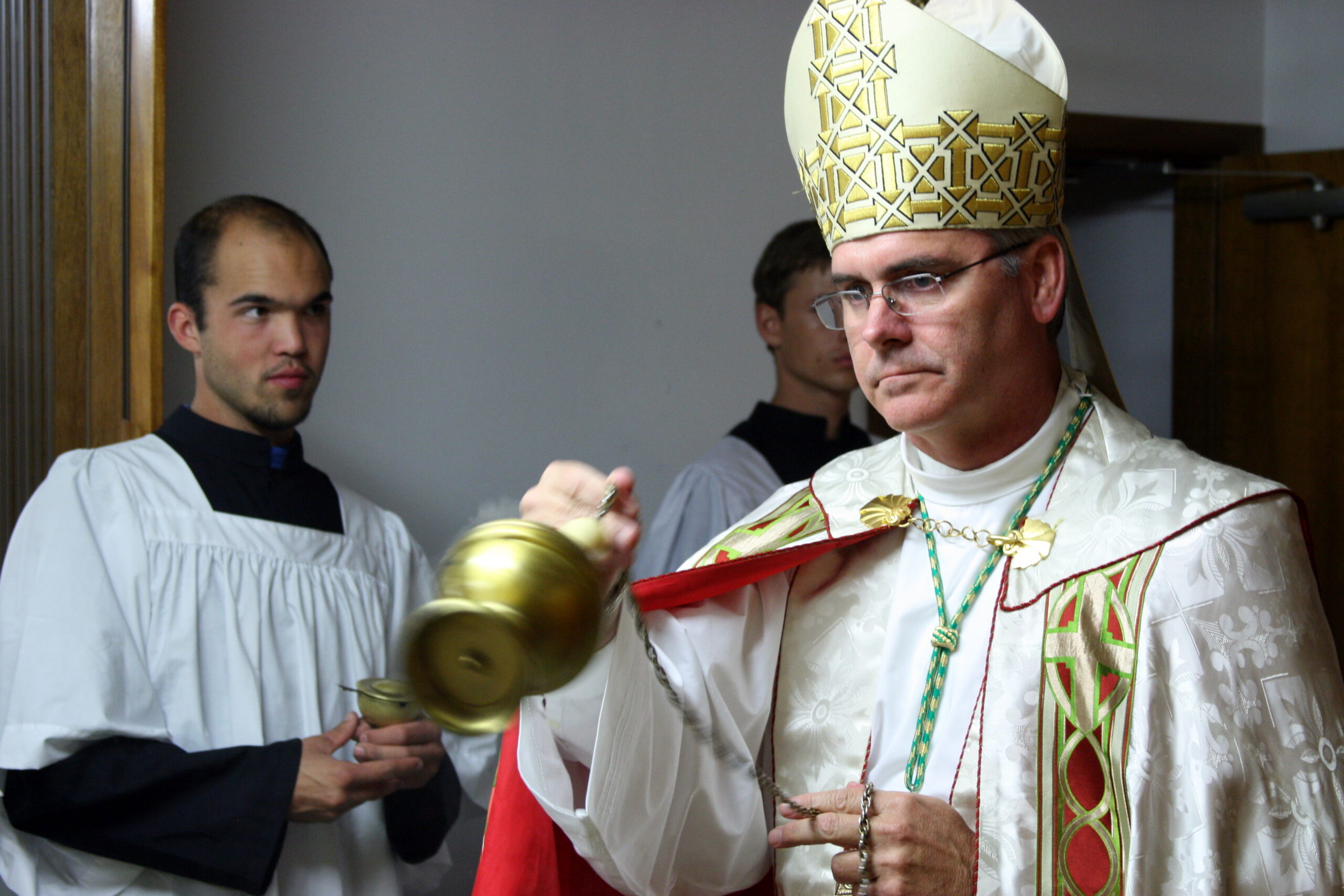
WCC Alumni Excel in Leadership at Chesterton Schools Across the Country

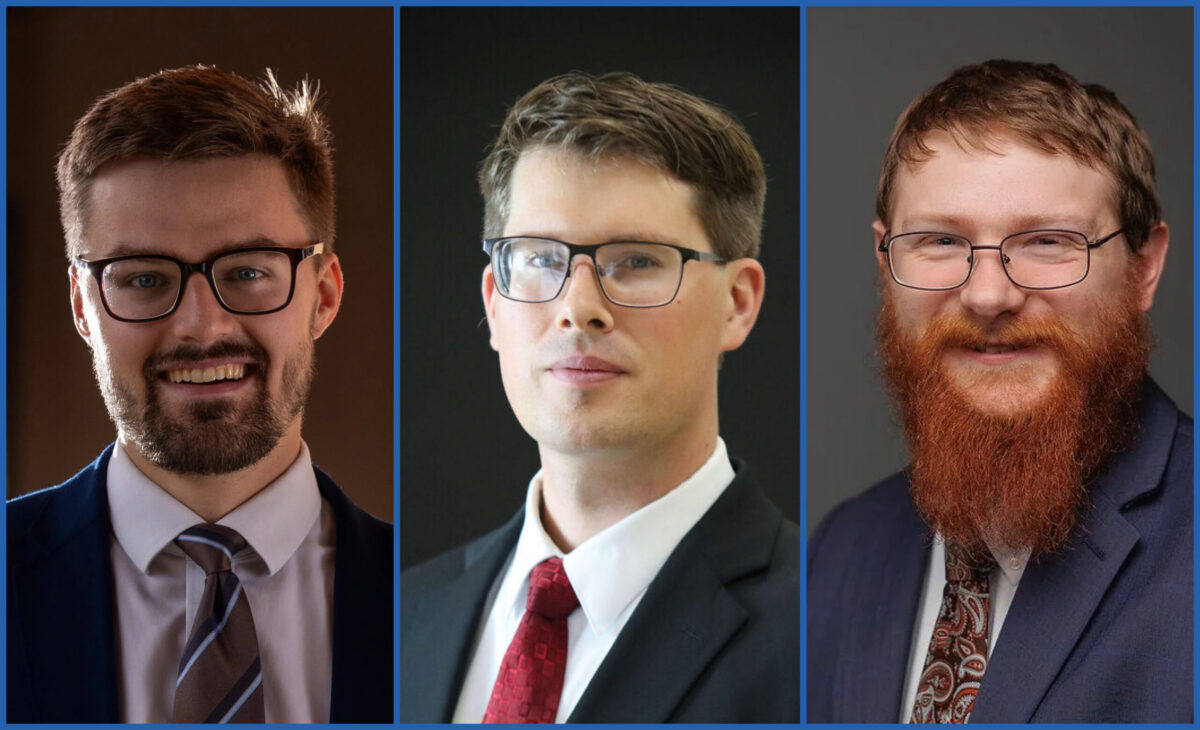
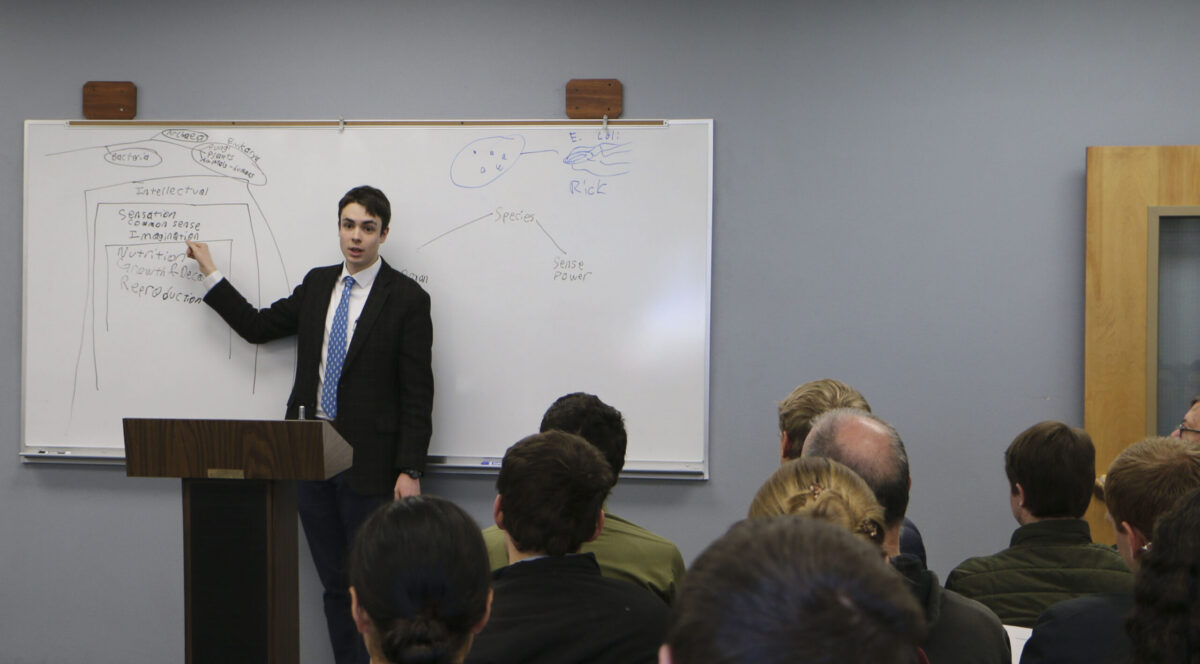
“When I arrived at Wyoming Catholic as a freshman in 2010, all I knew was that I needed a liberal education,” said Dr. Michael De Salvo (‘14), the Academic Dean at the Chesterton Academy of Orlando, Florida, where he also teaches Theology and Philosophy. “What I did not know was that ‘the more you know, the more you know you don’t know.’” This lesson, which De Salvo says he learned so clearly at Wyoming Catholic College, is “one of the defining aspects of what makes a man truly free. It is one of the defining lessons of a liberal education. When I am successful as a teacher, it is because I am passing this lesson on to my own students as well.”

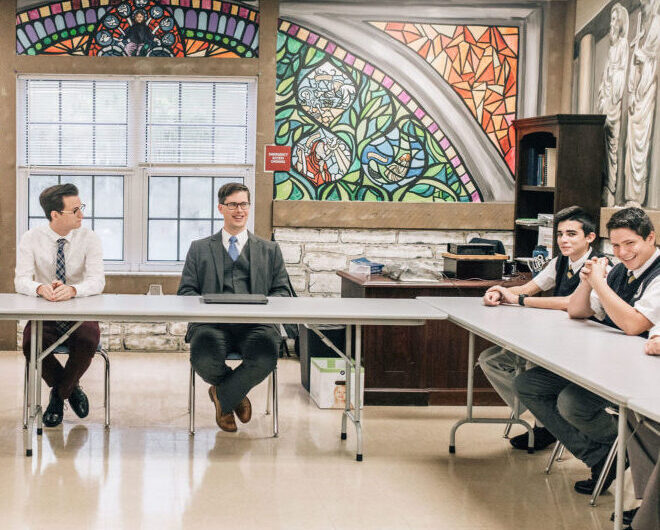
Dr. De Salvo is one of numerous alumni who have leveraged the insights their liberal arts education gave them to become teachers and educational leaders in their own right. Joseph Maxwell (‘21) serves as headmaster of the Chesterton Academy of the Rogue Valley while Jack Thrippleton III (‘19) is Dean of Students at a Chesterton School in Fort Worth Texas. While we chose to interview these three, there are numerous alumni at other Chesterton Schools around the country: Mary DeSilva (‘24) and Margaret Magana (‘22) in Rhode Island, Jack Carter (‘14) in Michigan, Ainsley and Brian McNulty (both ‘24) in Indiana, Aidan Luzarraga (‘25) in Wisconsin, Lydia Lei (‘12) and Kate Wagner (‘24) in Minnesota, and Zachary Davis (‘24) in Oregon, to name but a few.
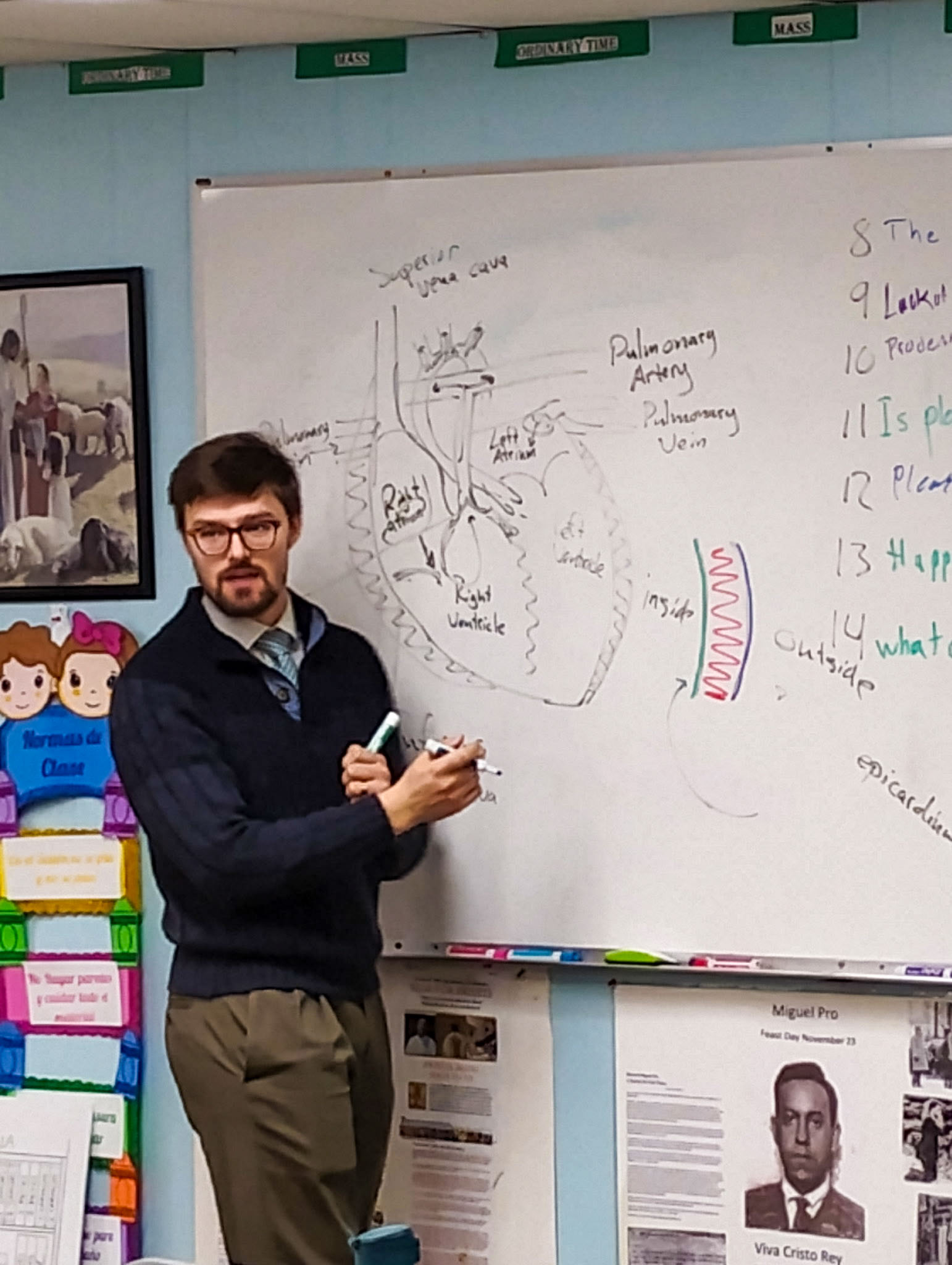
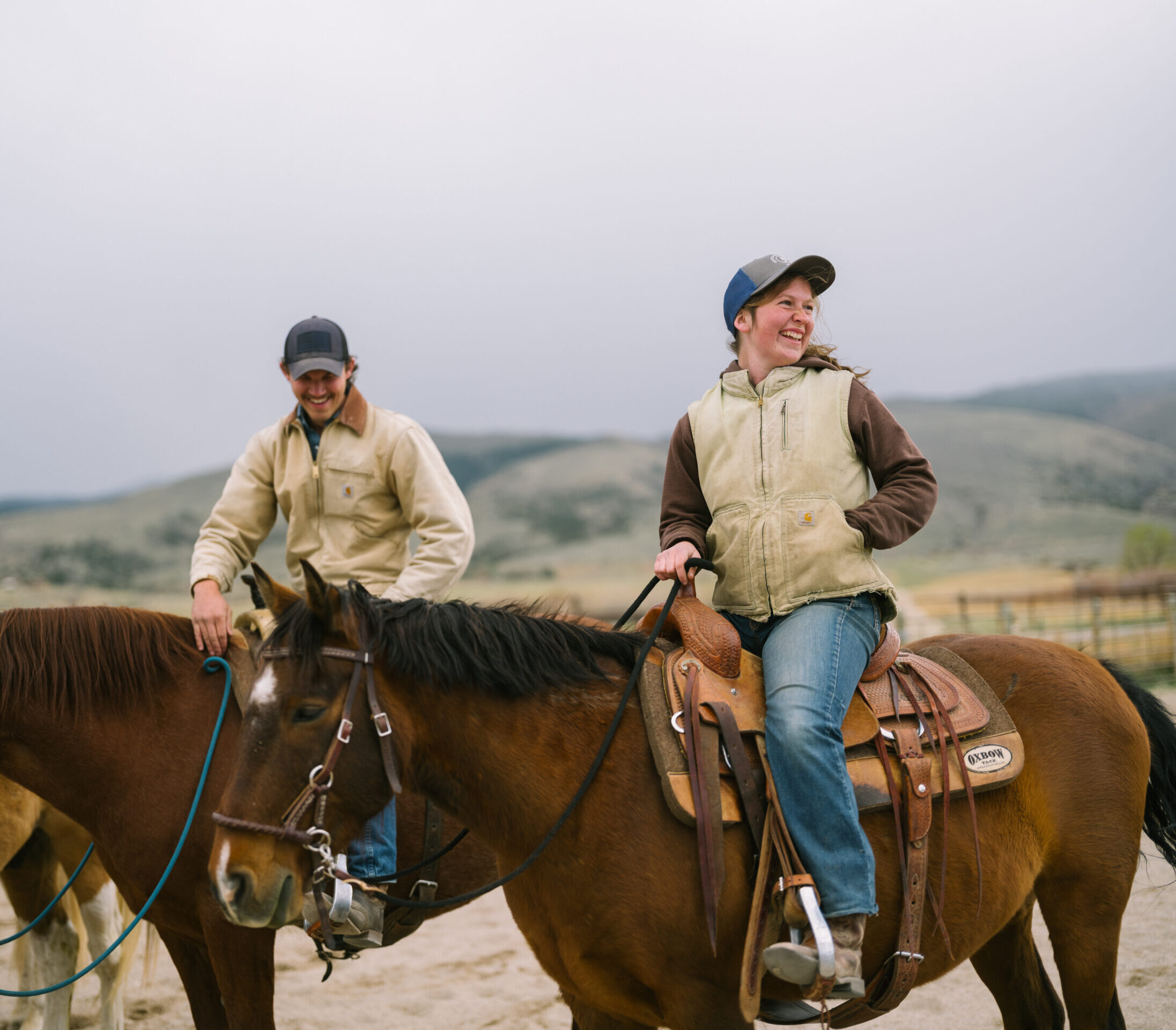
Maxwell explains that his academic formation at WCC allowed him to be a versatile teacher: his intimate knowledge of the Socratic seminar method and familiarity with multiple disciplines was invaluable. Not only that, but Maxwell’s leadership training from the College’s Outdoor Leadership Program strengthened his “ability to build effective teams and to accomplish the many administrative tasks that go along with running a high school. Planning and leading trips directly transferred to planning school calendars, navigating interpersonal relationships, conducting faculty trainings, and speaking publicly on behalf of the school.” Maxwell says it gave him confidence not only in his abilities as a leader but also an ability to trust the team that was working with him to build Chesterton Academy of the Rogue Valley. “I would not be where I am without WCC’s education.”
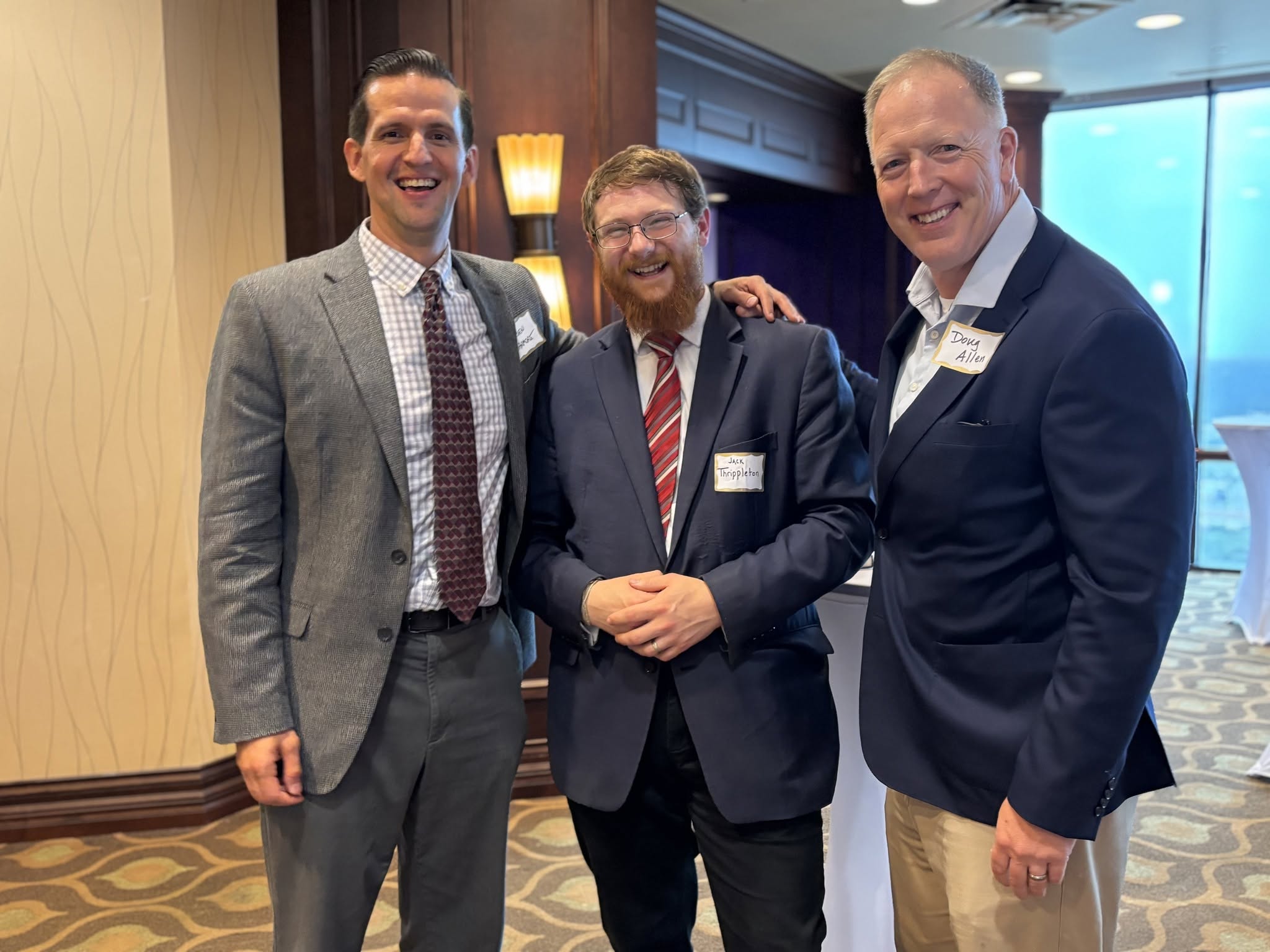
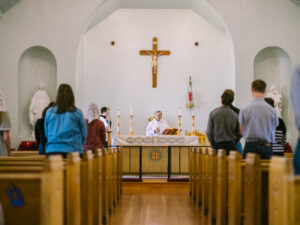
Thrippleton believes that his specific talent for teaching Euclidian geometry was what initially made him an attractive candidate for teaching at the Fort Worth-based Chesterton academy. “I taught math and science courses, but this year I branched out to not only Dean of Students, but also Drama, Philosophy, and History, while still keeping some Math and Science courses.” He describes a day in his life as student dean: “We start our school day with Mass at a local parish—some days an Ordinary Form Mass, some days a Latin Mass at the Fraternity of Saint Peter parish. After that we drive to our campus location…then I’m either teaching classes or prepping for them by reading my texts, writing lesson plans, or making slideshows. I also handle discipline issues that arise past the teacher’s in-classroom scope and help plan and run events for the school.”
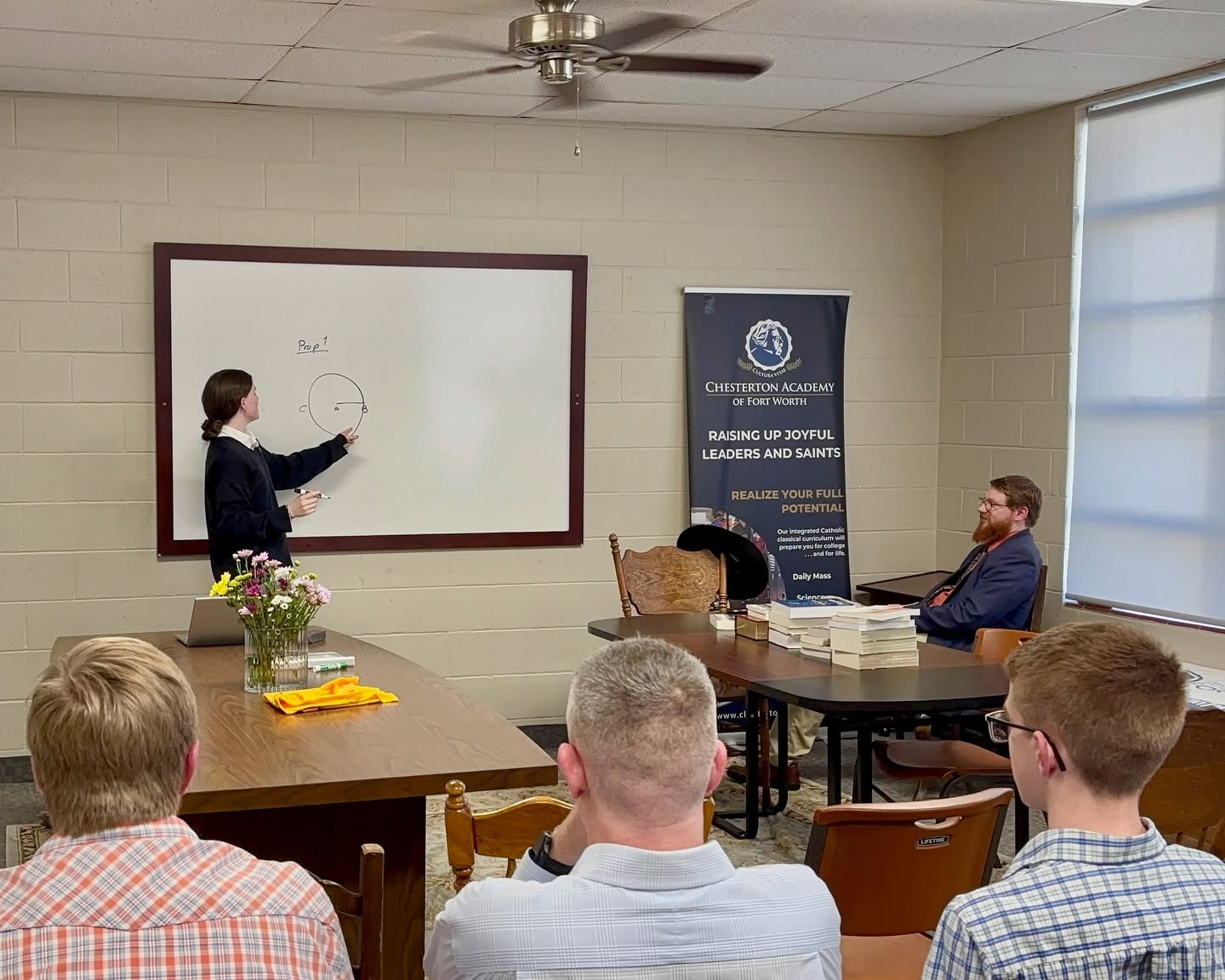
Thrippleton recognizes that his time at WCC affected his vocational path in two ways. “First, I very strongly desired to stay in the intellectual, academic environment, which pushed me to education as the charitable outreach of intellect and has pushed me back when I’ve been in other fields. Second, my versatility, adaptability, and ability to knowledgeably comment on many subjects (and ability to recognize when I lack knowledge) have made me a valuable member of any team.” Being so valued means that where he works, he is asked to take on more responsibilities. WCC’s education is primarily focused on learning modes of thought: how to think literarily, philosophically, mathematically, scientifically, theologically, and the like, Thrippleton explains. “I use those patterns and modes of thought every day and strive to instill them in my students. This applies, obviously, to academics, but as Dean of Students I also apply that to behavioral and social issues: how to think (and live) charitably.”
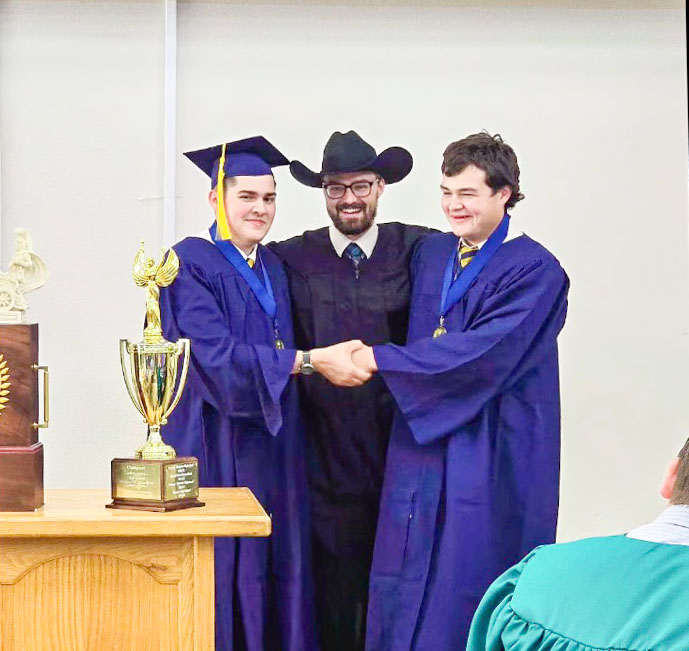
Maxwell reflects on what initially drew him to Wyoming Catholic College. “My interest in WCC stemmed from my experience of visiting the campus. I was stuck by how alive everyone was. There was space, simultaneously, for both rigorous study and spontaneous adventure. The two seemed to flow together without damaging the experience of either one. Students could devote themselves entirely to their studies while, paradoxically, finding time to rock climb at dawn.” Life at WCC was whole, he says: the people were real and their time wasn’t compartmentalized or tedious: “there was room for everything that mattered and nothing else.” The promise of something so complete “was too good to pass up. I fell in love and never looked back.”

“I loved that we didn’t have to choose between living an intellectual life and living an adventurous life,” he continues. “We traversed rivers, climbed mountains, and slept in remote canyons all the while discussing literature, reciting poetry, and singing hymns in polyphony. I remember beaching the rafts and, after setting up camp for the night, building a campfire. We sat around that fire watching its light reflect off the canyon walls while singing shanties and folk songs for hours. Time seemed to stop for us there and I remember feeling amazed by the sheer ancientness of that place. After we’d let the fire die and gone to our bed rolls for the night, I remember being amazed at how silent it became.”
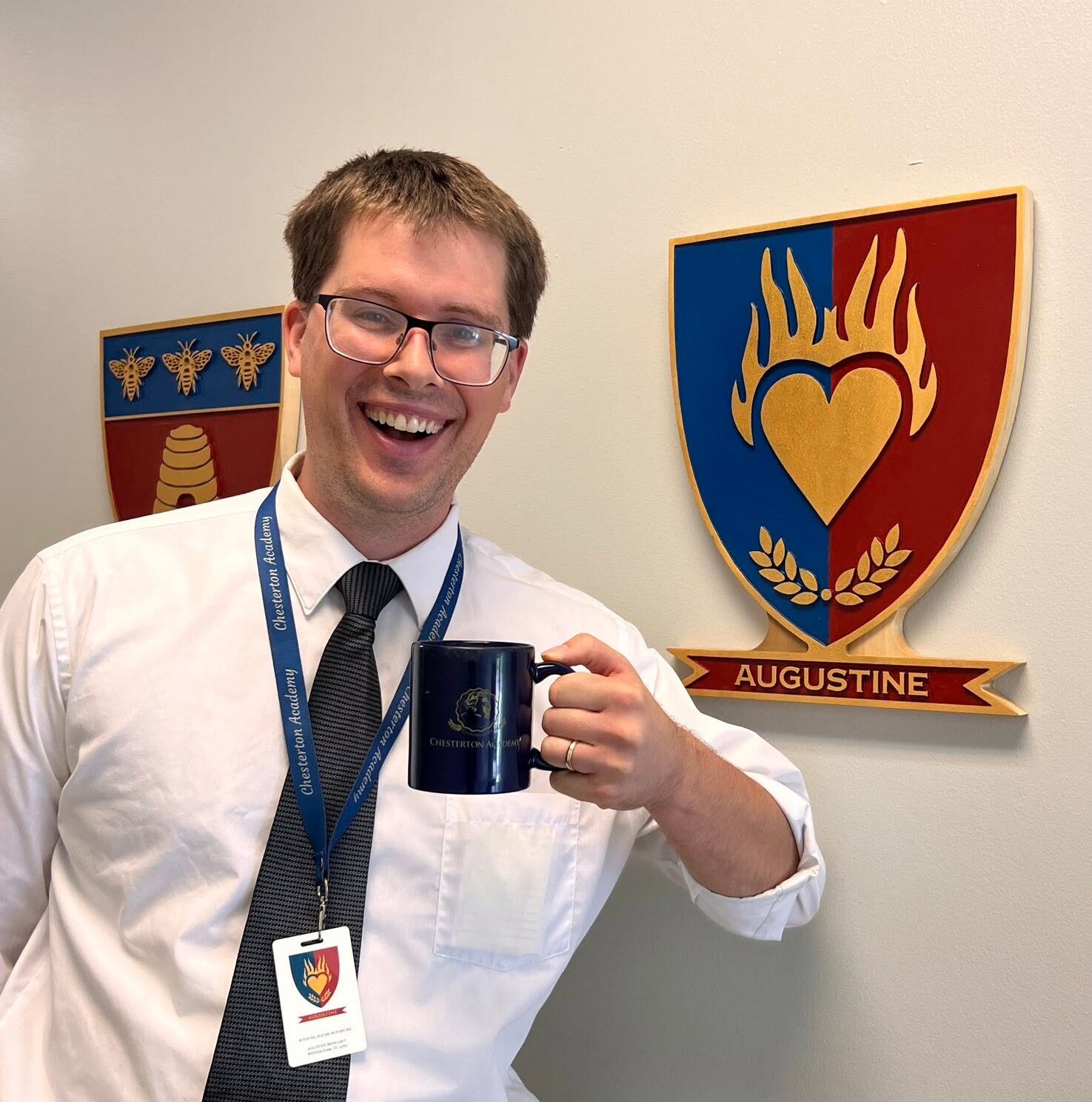
For Dr. De Salvo, it was the clarity of truth-seeking that comes to mind when he remembers WCC: “the defining aspect of my education at Wyoming, in addition to the College’s fidelity to the magisterium and the wisdom of its professors, was the intellectual community it fostered. Truth is not a private good; it is a common good that unites those who share in it in love. From the moment they step in the door, freshmen at Wyoming Catholic find themselves caught up in a society greater than themselves. It is this kind of community I aim to foster among my own students. And it is just such a love of the trutha love upon which Wyoming Catholic College was foundedthat I strive to inculcate in my students.”

When asked if a liberal arts college-level education would be redundant to a high school graduate of a classical school, Maxwell explains: “While our education is excellent, there is still a significant place for the kind of education that Wyoming Catholic College offers. What we hope to provide our students is an introduction to the liberal arts while WCC’s education serves to deepen and broaden that experience. Our students have had the appetizer, but WCC serves the meal.” 

In response to high school students who might be concerned about how off the beaten path WCC is, Maxwell responded: “The smallness, remoteness, and ‘weirdness’ of WCC was exactly the cure I needed to break out of the autopilot that ‘normal’ life puts you into. Yes, WCC is small, but it can therefore give you a formation that is personal. It’s remote, but Christ prayed in the desert. It’s weird, but only because it’s different from the culture of mere subsistence. WCC’s value isn’t diminished by being these things: it is valuable because of these things.” Thrippleton had a similar response: “The small size is what makes it great. Why would you want to be a hidden cog lost in a larger machine?” As for remoteness, “That’s the adventure, and in order to grow and develop sometimes you have to go out there. It’s always been so—the centers of learning draw people from all over, no matter where they are. Decide whether you want what WCC offers, and, if you really do, then let distance be no obstacle!”
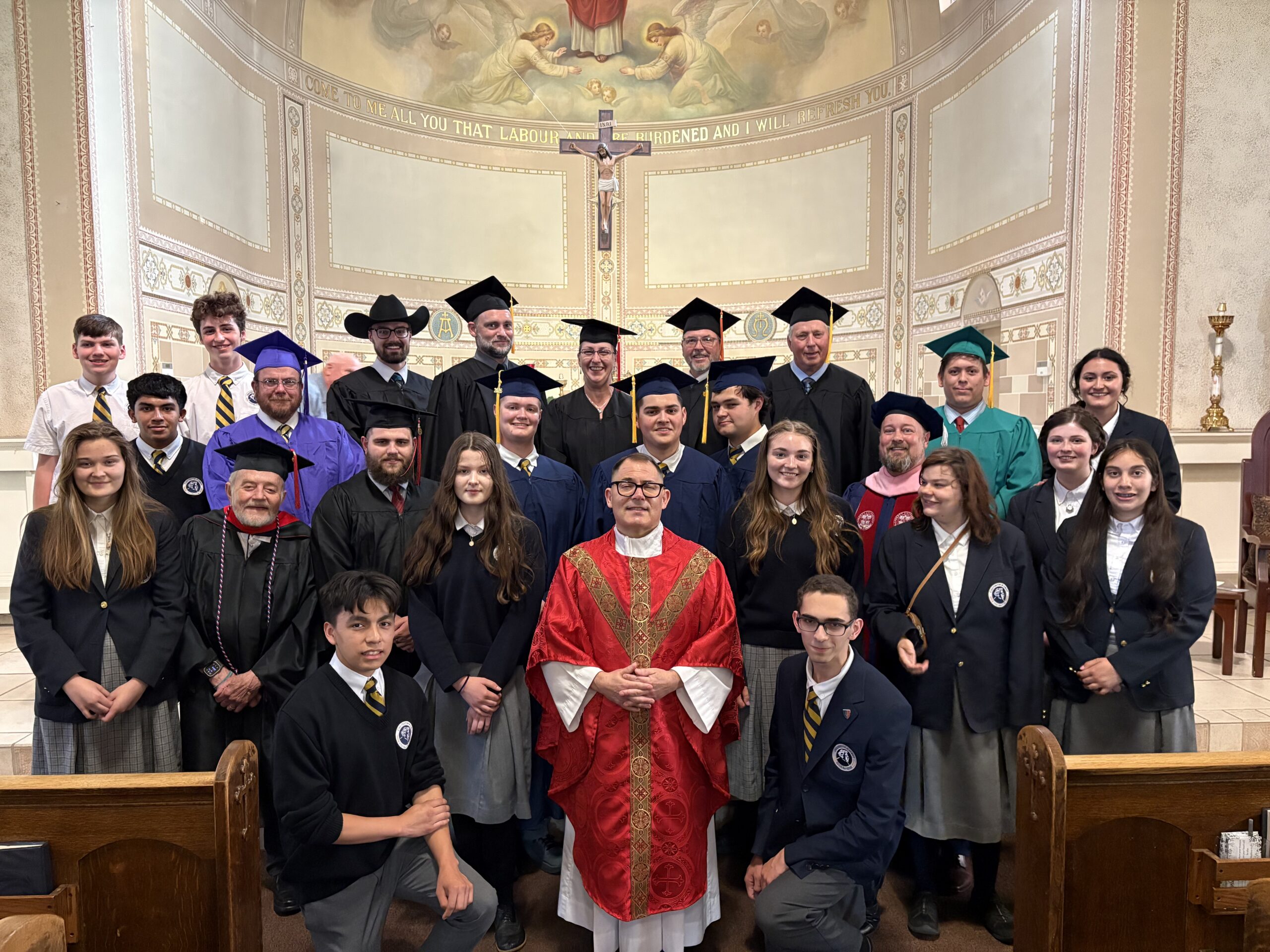

Wyoming Catholic College Welcomes Freedom Truck to Lander in Run-Up to Historic 4th

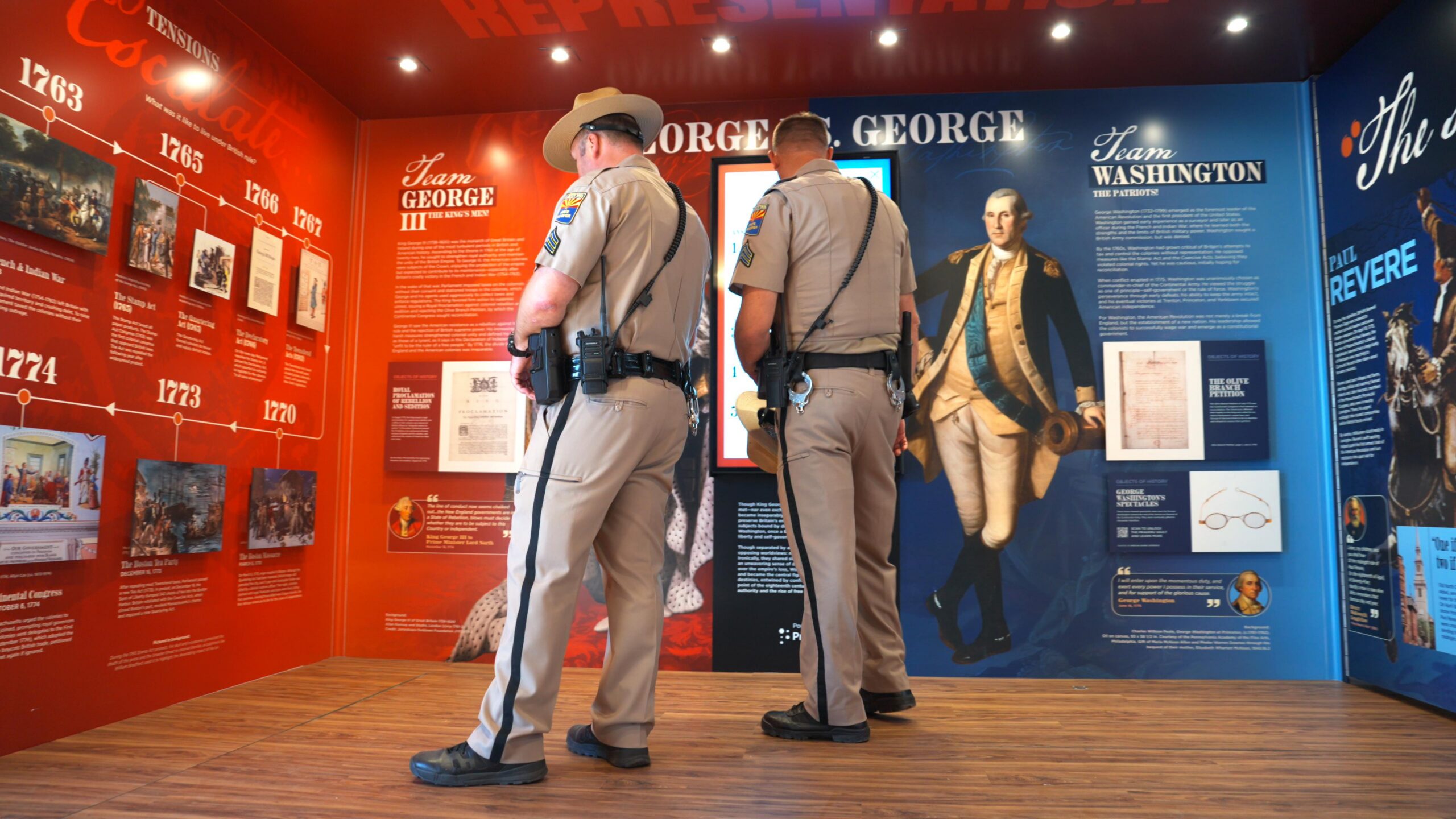
As communities across the country begin preparations for a spectacular and historic 4th of July, Freedom 250 is bringing one of its traveling Mobile Museums, known as “Freedom Trucks,” to Fremont County and Lander, Wyoming, offering visitors a unique opportunity to explore the nation’s history through an interactive exhibit designed for all ages. 

The custom-built mobile exhibit, which is being hosted by Wyoming Catholic College, features museum-quality interactive technology, multimedia storytelling, and hands-on experiences that highlight America’s founding and defining chapters, as well as the innovation that continues to shape our nation’s future.

“We’re grateful for the opportunity bring the Freedom 250 Truck to Lander,” said Fr. Dcn. Kyle Washut, the College’s president, “and we think it’s a great way to make our nation’s history accessible and engaging. This semiquincentennial celebration is something that should inspire pride in all Americans at the extraordinary journey we’ve traveled as a country, and should spark serious reflection in all of us as to what comes next. We think this truck will be the perfect opportunity for the good people of Lander, Wyoming to experience both.”

The Freedom 250 Mobile Museum Tour is traveling nationwide throughout 2026 as part of the Semiquincentennial celebration that is being held this year. For additional information about the Mobile Museum Tour and future stops, visit Freedom250.org/freedom-truck.

WHEN & WHERE:

  • ADDRESS—Orchard Building (BMO Bank) Parking Lot, at the Corner of 3rd and Garfield
  • DATES & TIMES—July 1st (12pm-5pm), July 2nd (10am-5pm), and July 3rd (10am-5pm)
Photo Credit: Freedom 250

As Commencement 2026 Celebration Begins, President Washut Announces Launch of College’s “Grit and Grace” Campaign

On the evening of Sunday, May 17th, Wyoming Catholic College hosted its annual President’s Dinner, held each year for its graduating seniors and their families as part of the Commencement Weekend celebrations. But this particular evening was a bit different than in years past, as Wyoming Catholic’s president, Fr. Dcn. Kyle Washut, announced the public launch of the College’s ambitious “Grit & Grace Campaign.”

“Wyoming Catholic College forms graduates capable of engaging the modern world with courage, humility, wisdom, and faith,” said President Washut. “In an era when American higher education faces mounting criticism, this extraordinary institution offers something radically different: an integrated formation that challenges students intellectually, physically, and spiritually, producing young people of ‘grit and grace’ who are prepared not simply to think well, but to live well and to act on what they’ve been taught about the True, Good, and Beautiful. This campaign will allow us to continue to grow our vital work.”

The $30 million initiative, which is the first comprehensive fundraising campaign in the College’s history, has already secured $18 million in gifts and pledge commitments to date. It seeks to elevate the College’s unique educational approach into a flagship model for higher education for the whole nation—demonstrating how classical liberal arts education combined with outdoor experiential learning can form young leaders who will restore communities across the country.

The Grit & Grace Campaign is built upon five “pillars” or areas of support, which will enable Wyoming Catholic College to:

  • Grow enrollment in both its undergraduate and affiliated programs, helping to to reach and influence even more young Americans
  • Increase student aid to eliminate tuition as a barrier for students who would thrive at Wyoming Catholic
  • Elevate the College’s profile to ensure its status as a leading Catholic institution of higher education
  • Invest in COR Expeditions in order to enroll 500+ additional students in life-changing outdoor wilderness experiences annually
  • Enhance campus facilities to create indoor spaces thoughtfully designed for the needs of faculty and students

“We are in a fight for the soul of our nation and of the West” said President Washut, “and the formation our young people receive here at Wyoming Catholic College prepares them to take on the challenges that lie ahead. We believe that truly transformative education must be tested against the reality of the world around us, whether it be by grappling with the original ideas and texts of the world’s greatest thinkers, or by being challenged and humbled by some of the world’s most glorious and demanding outdoor environments. And the results are striking. Our graduates emerge ready to do their part in a society desperately in need of leadership, in the sciences, medicine, policy, education, religious life, and much, much more. Our graduates are ready to do difficult and important things because they have received an education that has rooted them in reality, and they are prepared to lead a world that in the midst of confusion and propaganda, needs the witness of what is real.”

“We are humbled by the support we have already received from some of our dearest friends and most generous benefactors,” Washut continued. “But we’re eager for the opportunity to share the College’s extraordinary vision and growing success with a wider and wider audience through this public phase. An education of ‘grit and grace’ is exactly what our world needs, and I’m convinced that Providence has placed us at this moment for a reason. Now is the time for Wyoming Catholic College!”

Wyoming Catholic College students spend their formative college years in an environment devoted to learning and preserving “the best that has been thought and said.” They learn what it means to be human not just by studying the wisdom of the Western tradition, but by immersing themselves in the natural world and refusing the ideological and digital fragmentation that affects so many young people today. The college’s unique approach includes a 21-day Freshman Orientation Trek, where incoming students lead their peers, work as a team, and face real challenges in the wilderness. This style of embodied learning continues throughout their four years at the College, and produces graduates who carry a distinctive combination of grit and grace born from Wyoming Catholic’s transformative educational model.

For more information about the Grit & Grace Campaign or to make a gift, contact Joseph Susanka, the College’s Vice President of External Affairs at 307-332-2930, ext. 1126 or jsusanka@wyomingcatholic.edu.


About Wyoming Catholic College
Wyoming Catholic College forms students through a rigorous immersion in the primary sources of the classical liberal arts tradition, the grandeur of the mountain wilderness, and the spiritual heritage of the Catholic Church. Grounded in real experience and thoughtful reflection, our graduates love truth, think clearly, and communicate eloquently, engaging with the world as it is.

WCC’s Curriculum, “a model of intellectual rigor,” Receives Coveted “A” Ranking from ACTA

“At a time when many universities set minimal expectations for general education, Wyoming Catholic College’s curriculum serves as a model of intellectual rigor.” — American Council of Trustees and Alumni (ACTA)

Once again, Wyoming Catholic College has received the coveted “A” ranking from the American Council of Trustees and Alumni (ACTA), making it one of only 19 schools to receive top marks out of the 1,100+ institutions and educational programs  included in the annual study.

The annual refresh of ACTA’s What Will They Learn?® initiative “offers some hope for the future of academic rigor and highlights the institutions doing it best,” but it also “shows plenty of room for improvement among our nation’s colleges and universities.” “Even as colleges and universities feel unprecedented pressure to cut academic programs, we keep institutions focused on their core mission: educating students,” ACTA’s Academic Affairs Fellow, Veronica Bryant, noted. “A strong general education program provides the best academic foundation for all students. This is the only nationwide grading system for general education.”

The system identifies seven subject areas that together form the foundation of a strong liberal arts core curriculum, then grades college and universities from “A+” to “F” based on how many of those subjects are required.

Special “After Dinner Scholar” Mini-Series Launched in Honor of America’s 250th

In nine weeks, we will celebrate America’s Semiquincentennial, the 250th anniversary of the signing of the Declaration of Independence on July 4, 1776. In honor of that event and in order to think more carefully about this our “experiment in ordered liberty” two and a half centuries later, Wyoming Catholic College is launching a special, ten-episode mini-series of the After-Dinner Scholar Podcast on the American founding.

In our first episode, Dr. Glenn Arbery, Dr. Michael Wilmer, and Dr. Jim Tonkowich explored some of the history that took place in the fifteen months between April 1775’s “shot heard around the world” and the day on which the Declaration was signed in July 1776.

In the following episode, Dr. Tonkowich interviewed Hillsdale College professor Dr. Matthew Spalding about his new book, The Making of the American Mind: The Story of Our Declaration of Independence, in which he writes that “We must know the Declaration if we truly are to love America.” Over the course of the discussion, Dr. Spalding explained how that’s the case and how the Declaration expresses the American mind.

Future episodes will be released on the Thursday of each week leading up to the Semiquincentennial, starting with next week’s episode on “The Catholic Roots of American Independence.” Listen along, and enjoy!

“Capitol Alumni:” Joseph and Lizzy Collins and Life On the Hill

When Virginian Lizzy Eckel and Californian Joseph Collins met at Wyoming Catholic College as freshman to prepare for a 21-day trek in the wilderness, an onlooker might have found it hard to envision them a few short years later influencing the policy and law of the United States. Yet so it played out! Today, as a newly married couple expecting their first child, alumni Mr. and Mrs. Collins have both served as Senatorial aids and now continue to influence the course of decisions in the Capitol. Joseph Collins works for the James Wilson Institute in Old Town Alexandria, just outside of DC, a non-profit that specializes in applying natural law to legal theory. His wife Lizzy is currently a Staff Assistant for Senator Jim Risch (R-ID).

Joseph recalls that he has known of WCC “for as long as I could remember”. His father, a tutor at Thomas Aquinas College, had taught current Wyoming Catholic professors in their own undergraduate years, and Joseph had older siblings who attended WCC. For Joseph, “When it came time to commit to WCC, the main factor was the outdoor program.” For Lizzy, WCC stood out to her as “an authentically Catholic community” and she wanted to challenge herself with the outdoor program and the tech policy. “The tech policy turned out to be not so much a challenge as a huge gift that I miss every day!”, she says, adding that “the Wyoming landscape is hard to beat – definitely better than the Northern Virginia swamp!”

“I can’t pin down just one or two favorite memories of the college,” Lizzy says. But her most intense ones always seem to “revolve around spending time with the amazing friends I made at WCC.” Going through the education and outdoor program with classmates “forges bonds in a way that I have never experienced before, and I am so grateful to come away from my time with many friends that I am confident will be in my life forever.” She especially misses the live folk music culture of the students. “There’s nothing like making music with your friends!”

For Joseph, his favorite moments include the written essays of finals week at Wyoming Catholic. “Perhaps ironically, the different finals week across my four years were some of my favorite moments at WCC. Especially humanities and theology, the written final essays gave me a chance to bring the whole semester into focus and understand the relations between the readings, and from there understand how the semesters related to each other.” He recalls that it was always a bitter sweet moment because “I knew rereading the work would not be the same but I enjoyed their resolution and tying them into the canon as a whole.”

When they look at what formed them most, Joseph emphasizes the integration of the community. “I could discuss a reading at breakfast, go to the class on that reading, then reflect on its relation to the liturgical year at Mass, and then go discuss it again at lunch! Living, eating and praying together with my classmates and all the other classes brought the readings out of the classroom and into everyday life.”

Lizzy recalls that every outdoor trip pushed her further and further: “Each trip I was more and more amazed at what myself and my peers were capable of. It was very formative for me to have to always push myself past my comfort zone in the outdoors, whether that be staying out for 21 days straight, pushing myself up a mountain peak, or trusting my feet to stick to a wall 40 feet high in a canyon slot.” She says those trips definitely prepared her mind to approach intimidating experiences post-grad, “whether that be in a job interview or in preparing for motherhood.”

But, you might ask, how did Joseph and his wife get from the backwoods of Wyoming and the whiteboards of Lander classrooms? Joseph had worked in DC over the summer after graduation, interning in Wyoming Senator Cynthia Lummis’ office. “I was connected to the Senate job through Mr. Susanka, the College’s Vice President of Advancement, and I was moving out to northern Virginia already.” Joseph explains: “The western states’ senators have a smaller population to staff their offices with, so that was a leg up for me. My experience writing an advisory speech for rhetoric class was a huge help in researching and speaking clearly about political issues, something I put into practice working with staffers on projects.” Another he found helpful was the fine arts and humanities classes. “Most people say that the American founding was heavily protestant, but I believe it was also profoundly classical, and that is reflected in the architecture and art of both the capitol and DC in general.” 

Thus he made his way to the James Wilson Institute through the typical Hill to “Hill-adjacent” pipeline. “I didn’t particularly want to work with politicians,” Joseph says. “I quickly learned that a lot of work is presented by politicians who have something to campaign on but drafted by staffers behind the scenes. I enjoyed in a very small way influencing political decisions in this framework. In my current job, I have moved out of DC And into a much more impactful and less overtly political area.” Reflecting on how his perceptions have change since undertaking this work Joseph explains that before his “work at the senate, I didn’t realize how much the U.S. truly is a republic which sounds funny to say. But after going to some floor speeches and seeing the senators together, I realized how much the U.S. depends on  the representation of a vast population by a relatively minuscule group.”

The James Wilson Institute, on the other hand, has drastically changed his view on legal theory. “In highschool, I assumed that textual originalism was the best theory of jurisprudence available, but now I realize how important an understanding of fundamental moral principles is to a proper understanding of law.” Joseph is working for a very small group, which means that he performs a variety of roles, but right now he primarily covers donor and alumni relations. “Coupled with the liberal arts education I received at WCC, I felt pretty prepared to step into pretty much any area that comes my way!”

After graduation, Lizzy also interned for Wyoming Senator Cynthia Lummis. “I really enjoyed the fast pace and learning opportunities that working on Capitol Hill provided, and realized that I wanted to stay for a while.” She was able to find a permanent position with another Western Senator, Jim Risch (R-ID), and has “really enjoyed it so far.” Her duties primarily involve running the front office for his personal office in DC. “I answer phone calls from constituents, receive staff meetings as well as the Senator’s meetings, and process flag requests for constituents. In addition, I have a legislative portfolio that I assist in doing research on and writing constituent letters for.” Lizzy covers issues including, immigration, pro-life, adoption, FEMA, and various projects relating to the arts and humanities (in a “much broader sense than our definition at WCC,” she remarks). Lizzy also helps with brainstorming ideas for legislation and occasionally writes recommendations on whether she thinks the Senator should support an existing bill. “Finally, I help our scheduling team with handling declining events and meetings that the Senator is unable to attend, as well as keeping his calendar clean and organized.”

Lizzy is originally from the DC area and both of her parents used to work on Capitol Hill, so it was a path that was familiar to her. But she also thought that this more than other jobs would be a place where she could apply her liberal arts education: “drafting ideas for legislation requires critical thinking, and it does really help to have a training in classical political theory. Do I sometimes feel a little disillusioned with the state of our political system after studying what it could or should be? Maybe. But, I’m happy to be working with a group of people who constantly challenge me to find new ways to defend my values and think critically about issues with very real-world implications.”

For Lizzy, who is expecting the couple’s first baby in April, going forward, “motherhood is definitely going to be my top priority in terms of how I spend my efforts and time. I may still do some work in this field or a related field, but my life is going to look a lot different and I’m not going to be coming into the office every day.” But she’s still very excited for this next stage and thinks that she’ll take what she has learned from politics and “have valuable lessons to teach my children when they eventually form their own political opinions.”

“I would say that the liberal arts absolutely will help anyone interested in a political career,” Joseph says. “Something I was told early on in my internship was that technical skills can be quickly taught, while interpersonal ‘soft’ skills have to be learned over a longer period of time. The liberal arts gives the grounding and community to develop “soft” skills to a level where all you need to do is learn light technical skills to be prepared for a plethora of different jobs.” He notes that being able to communicate well either in writing or especially in person is extremely valuable, especially if you “have the attention span that WCC’s tech policy inspires, which is increasingly rare.”

“The liberal education is by far the best background you could have if you are interested in working in politics,” Lizzy says. “It’s not a specialized career—even if people tell you otherwise. All you need is the ability to think clearly, communicate and advocate for your positions well, and most importantly be able to withstand the pressure of the deep state.” She things that Wyoming Catholic alumni are more comfortable than most when they stand out or don’t conform to those around them. “You need this in DC, when there are heavy pressures on both sides to think a certain way and adhere to party lines. A clear thinker who doesn’t conform will make waves.”

Kelsey Reinhardt Announced as Wyoming Catholic College’s 2026 Commencement Speaker

Kelsey Reinhardt, a Wyoming native and the President and CEO of CatholicVote, an institution that advocates for Catholic principles in American politics, will deliver the Commencement Address at this year’s Commencement Ceremony, which will be held on Monday, May 18th.

“As two Wyoming natives, frequently traveling on behalf of our apostolates, our paths cross somewhat regularly,” said Fr. Dcn. Kyle Washut, the College’s president. “I have had the privilege of visiting with Kelsey a number of times over the past year, and I have been impressed by her clarity on the moral challenges confronting America today and by her generosity and gentleness toward those who do not agree with her own clear-eyed analysis of those challenges. In a recent piece for First Things, she wrote that ‘the Church insists on holding together truths that the political imagination is tempted to sever,’ which is a difficult reality to affirm in such a highly-charged political climate as ours. Her own life is a striking example of that reality, and I’m eager for our students to hear from her this May.”

Reinhardt joined CatholicVote in 2024 as Head of Media and Evangelization prior to being elevated to the top position in June 2025. A native of Gillette, Wyoming, the former Miss Basketball Wyoming was also four-time state champion in the high jump and an all-state golfer, in addition to salutatorian of Campbell County High School before she went on to letter in basketball and track for the University of Notre Dame. After earning a bachelor’s in theology there, she worked as a legislative correspondent for the U.S. Conference of Catholic Bishops (USCCB), with a focus on immigration and refugee issues.

Sensing a call to religious life, she spent nearly a decade pursuing a vocation as a religious sister with the Dominican Sisters of St. Cecilia in Nashville, turning down a scholarship to Notre Dame Law School. After discerning out of the convent, she returned to public life and a career in media, stepping into key leadership roles at EWTN News, where she helped launch the first Arabic-language Catholic news agency in Iraq. Eventually serving as executive director for the ACI group, a network of six international news agencies operated by EWTN News, she also served as Interim Executive Director of Catholic News Agency.

In addition to her bachelor’s from Notre Dame, she holds a master’s degree in theology from the Augustine Institute. She serves on the Alumni Advisory Board for the Augustine Institute and has chaired the board of FIERCE Athlete, an organization created to “empower female athletes to thrive in their God-given identity and femininity.” Kelsey lives in the Denver area with her husband, Matt, and they are expecting their first child.

For further details on this year’s Commencement schedule and to RSVP to the festivities, please visit the Graduation 2026 page HERE.

Welcome to Orations Week 2026!

An annual highlight of Wyoming Catholic College’s academic life is upon us once again: Senior Orations Week.

During this week, each member of the Senior class will deliver a thirty-minute oration, followed by a Q&A session, where they field questions on their presentation for another half hour. The oration is rarely a mere exposition of the thesis (which was completed at the end of the Fall semester), but often draws upon and expounds upon the work done during the thesis-writing process. The rooms are sure to be filled with fellow students, faculty and staff, family members, and friends of the College, eager to hear what has taken up the time and attention of these upperclassmen for the last few months.
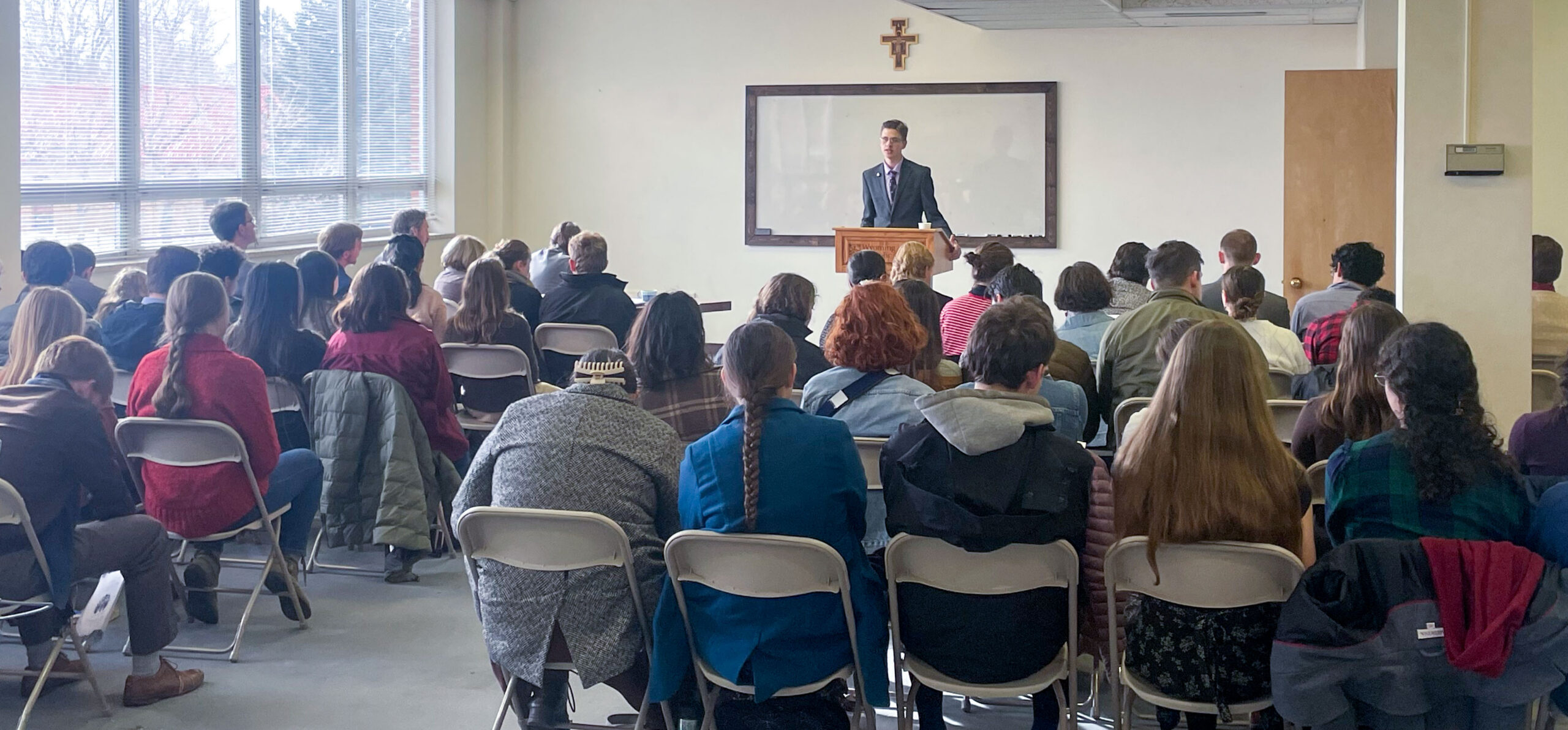
This year’s list includes topics as wide-ranging as “Is Chivalry Dead?” or “How to Use the World’s Goodness: Resolving the Paradox of Detachment in Christian Life;” “The Just Man Justices and the Lover Sings: Musings on Music as the Act Proper for the Lover” or “Do You Believe in Magic: Lewis’s Re-enchantment of Reality;” “Our Hearts Are Restless until They Rest in Thee: The Role of Silence and of Contemplation for the Happiness of Man,” “Christian Faith and Pagan Reason: Whether Christians Should Study Eastern Philosophy,” “Cato and the Role of Suicide in Dante’s Commedia,” and “Israel’s Inheritance and the Comedy of Ruth.”

The presentations will be live-streamed, and a schedule with links is posted on the College’s “Orations 2026” webpage. (The YouTube Live playlist for the entire week, which will be populated as the presentations are completed, can be found HERE, and the pdf program for the week can be found HERE.)


Statement from President Kyle Washut Regarding the Wyoming Supreme Court’s Ruling on Abortion Ban

The following statement was written in response to the Supreme Court of Wyoming’s recent ruling on a pair of pro-life laws that would have eliminated abortion in the state.

On Tuesday, January 6th, the Supreme Court of Wyoming ruled that two recent laws barring abortion in the state (including the country’s first explicit ban on abortion pills) violated the state constitution. This is a terrible day for Wyoming.

The Court’s ruling is a clear distortion of the intent of Article 1, Section 38, which they cited in their decision, and which guarantees Wyoming adults the right to make their own healthcare decisions. Finding protection for the evil of abortion under the guise of “healthcare” is particularly agonizing for those who have been working with prayerful hope for the abolition of the great evil of abortion. We can only pray that the Feast of Our Lord’s appearing—celebrated on the 12th Day of Christmas and marked by the visit of the Magi (Wise Men) who brought gifts and recognized him as the world’s Ruler and Savior—will bring light to this new darkness now in our state, and wisdom to those who confront it.

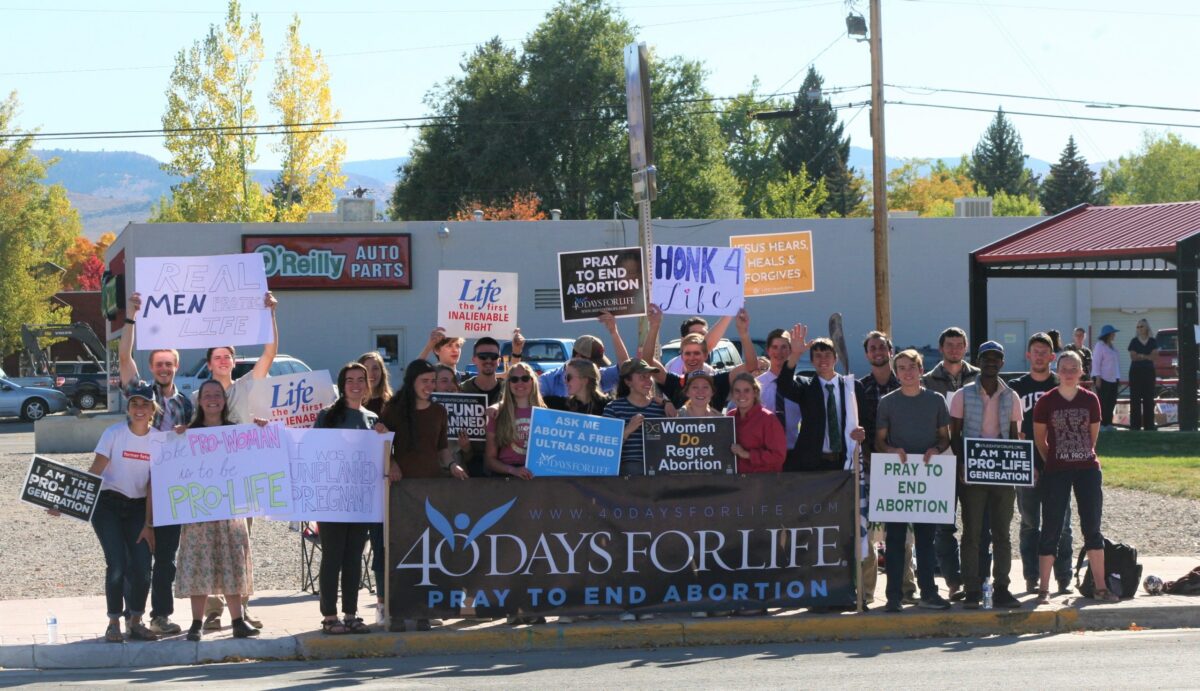
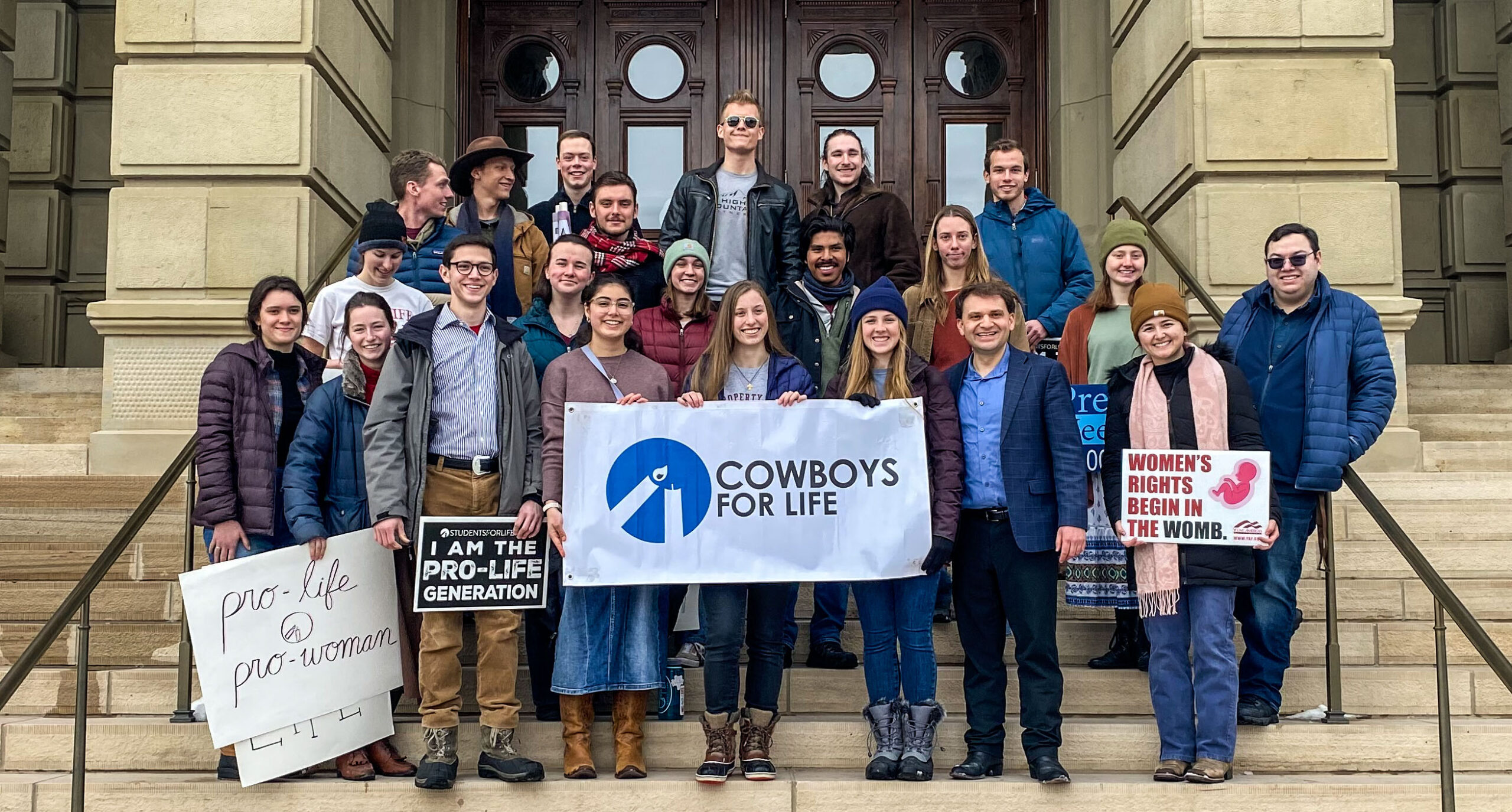
While our curriculum and our community are not focused on political activism, this is a case where we cannot sit idly by while such grave injustice is done. We believe that it is important for our students to engage with the public and political spheres on this issue of abortion, since it is an issue that fundamentally affects the moral health of our society. We will continue to support our students as they witness to the deep truth that all life is sacred, from conception to natural death.

We are proud to be a Pro-Life college.

“Enchant every word with truth:” Nyra Ortiz (‘25) on the Writing Lab at WCC

Since its founding, Wyoming Catholic College has instructed students in the rhetorical art of writing. Fundamental skills of expression are taught through the Trivium track and practiced in assignments distributed across every department over the course of four years, culminating in the senior thesis and oration. Many students, however, have needed more intensive assistance with writing assignments. To fill this need, Nyra Ortiz (‘25) “accidentally invented” the Writing Lab as a student and now serves as the Writing Lab Coordinator for her alma mater. In the following essay, she expresses some of her thoughts on the writing process and the enduring importance of writing.

Words are cheap in a world awash with them. We are bombarded with thousands of words—reflective, blinking-neon, graffitied, screamed, obscene, blabbed, rapped, or crooned through the radio—on our daily commute. Children learn to swipe-text ninety words a minute, auto-filling figures of speech and emoji in arbitrary alteration, before they begin to laboriously scrawl their names in shaky green crayon. Students hasten their typing rather than refine their handwriting, while professionals command AI rather than communicate with coworkers and clients. Billboards, blogs, vlogs, live chats, and comment sections give everyone a voice: the more you pay, the louder and further your word is broadcast. LLMs chatter like reanimated skeletons and hallucinate like feverish poets—that is, when they’re not “helping” professors read papers which their simulated brethren “helped” students write.

Why should anyone learn to write when we stand on the precipice of an age of command? If words have been so devalued, why contribute to the inflation?

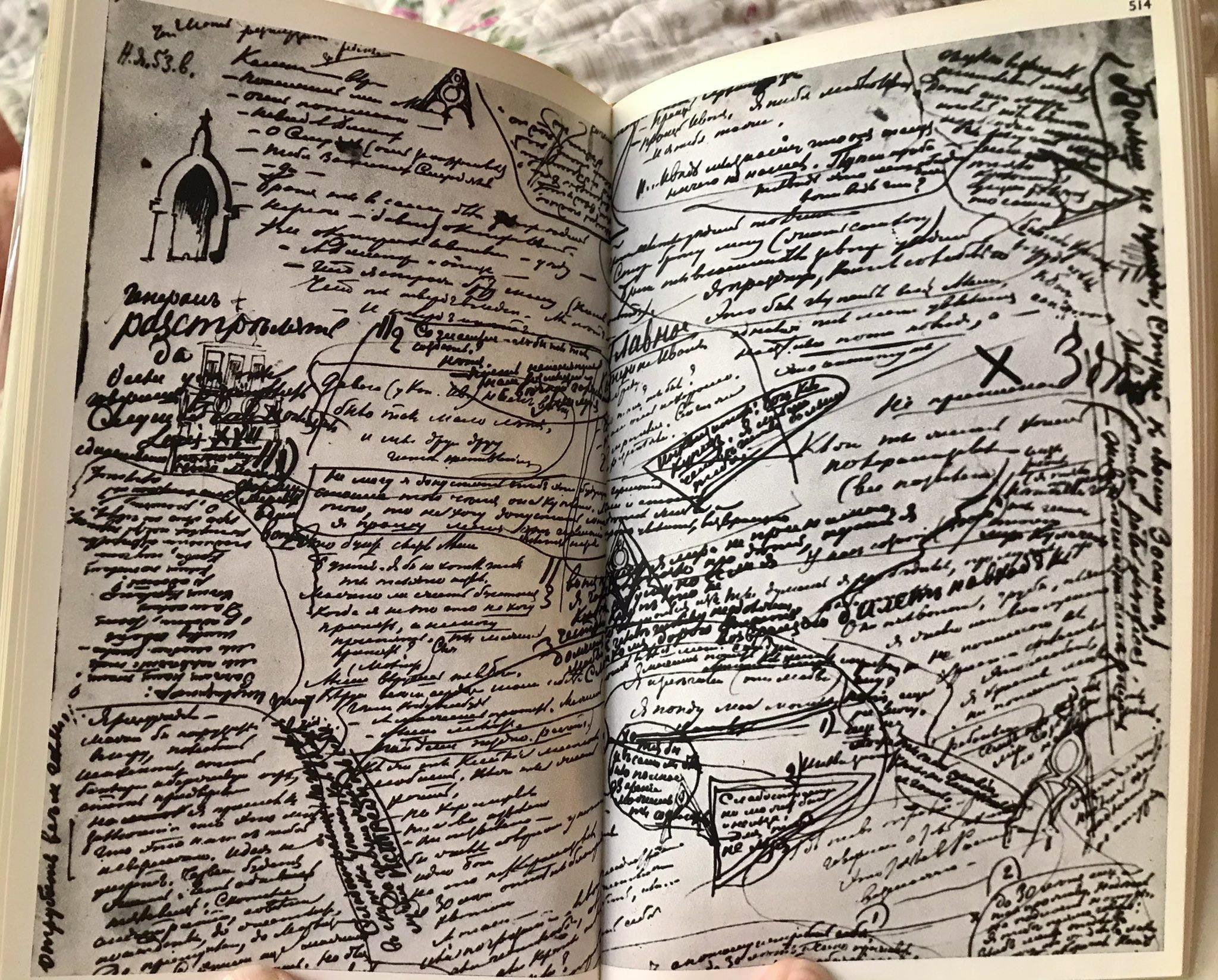
Because “one word of truth shall outweigh the whole world.” This Russian proverb, which Aleksandr Solzhenitsyn famously bestowed upon the world in his 1972 Nobel Lecture, reflects an age in which words were weighty, worthwhile, carefully wrought, and dearly bought. Now, however, words are ubiquitous. We navigate the world by them, code, calculate, conduct business, woo and wed, enrage and allay; we have made words tools rather than vessels of truth. In the process, we have banished that age in which the worth of words was recognized, watering down words by sheer quantity until they are rendered practically meaningless, placing our trust in armless programs which grow like kudzu. Writing has become little more than connecting words. And everyone and his AI girlfriend can do that.

Writing was once understood as rhetorical, rhetoric as “the art of soul-leading by means of words.” In our day, technology has enabled the unthinkable, allowing us to sever words from souls, speech from tongues, writing from thought. Truth, however, it has left untouched, as even an indiscriminately ravenous coyote refuses to clamp his maw down on a blazing fire. Truth, like fire, is among the human arts; it is our pride and our defense. Truth, if present at all in the products of AI, is merely an accident of the process; stringing words together according to statistical likelihood is not a very efficient way to philosophize. Nevertheless, truth remains attainable without extending our reach and our being through technology; we must write with truth as the essence, the substance, of our work, recognizing that we ourselves have the capacity to revalue words and revive that age in which words had worth.

Words are valuable when painstakingly mined out of a dense and layered text; delicately cut to reflect and communicate light through every fascet; and deftly set in a gilded bezel with a master jeweler’s refined touch. The product might be resplendent, fit to adorn a queen or transform the beloved into a fiancee, or else it might be ruined by an unskilled touch, a single cut awry, a pressure fracture unlocked by the unbearable heat of the process, shattering the precious whole into mere fragments of unrealized potential. Just as the rare, brilliant lustre or dull, glassy surface of a gemstone is developed gradually, so the value of words is compounded or detracted by every part of the writing process. 

The failure to produce a masterpiece is a disaster, though rarely known to anyone beside the lapidist; when a jewel shatters in the workshop, the world is robbed before it realizes its wealth, the earth plundered for naught, a hundred thousand years of pressure, heat, and repose irretrievably wasted. Why do we not consider the failure to produce a dazzling piece of writing a “disaster”? Because it is rarely known to anyone besides the writer? No—because we have devalued the product, buying cheap fakes while ignoring the expertly cut and artfully framed masterpieces of the craft.

At Wyoming Catholic College, we reject cheap fakes along with deep fakes and teach students how to think and how to write. In fact, we require thinking and writing in every department of our curriculum. Beyond this once-standard expectation of academia, we direct students toward a lofty goal: enchant every word with truth.

Is it ambitious to expect undergrads to discover, refine, and expertly set literary jewels? Yes. Wholeheartedly I admit it. But is such an expectation entirely unfounded when the students in question first proved their gumption by spending three weeks in the wilderness, racking up eighty to a hundred miles by foot, warding off wildlife and weathering the fury of the elements, soaking in the splendor of a bejeweled night sky? It was arduous; it was awful, in the precise sense—it was full of awe. The grueling days heightened their imaginations as much as the raw, unfiltered, unInstagrammed heights and sights around them. Through the wonders and the trials, they discovered a deep capacity for blazing beauty and developed a spirited endurance in pursuit of noble goals. 

This shared experience is the basis of my audacious trust in their ability. Tolerance for adversity transfers from the peaks of the Rockies to the expanses of the Great Books, from the backcountry to the intellectual life. At Wyoming Catholic College, the writing process is challenging, not primarily because of the length required nor because of numerous overlapping assignments, but because of the depth expected. Whether essaying forth in Humanities, Philosophy, or even Mathematics, every completed work of writing is the product of a tripartite process of discovery, refining, and setting: we call these three phases invention, organization, and style

Freshmen learn and explore each of these “discrete but related elements of the art of composition,” drawn from the classical tradition of rhetoric, in the Trivium 101 course. However, just as it may not be immediately clear how spending forty minutes trying to stake down a tent in a wind tunnel might make one a better student, so it can be difficult to effectively apply the principles demonstrated in class to self-directed assignments. Accordingly, the Writing Lab was established last year to assist with transference and to supplement the foundational training in writing as a rhetorical art. Practically, this means tutoring according to the principles of the Socratic method: asking questions to lead to understanding rather than mere red-pen proofreading, which teaches students to avoid what is wrong rather than to strive for what is magnificent, noble, beautiful. Both the Trivium track and the new tutoring program emphasize writing as a logically-ordered process, without excluding the wondrous spontaneity of the Muse. In The Office of Assertion, a constant companion of WCC freshmen, Scott F. Crider concisely explains, “invention is what you argue; organization, in what order you argue; style, how you argue.” Though he captures the essence, I’ve begun to elaborate each aspect as follows.

Invention is the process of discovering ideas. While it is analogous to the concept of “brainstorming”, the Latin root in-venire suggests an orderly, thorough, directed search by which we come into ideas, not a tempestuous scattering of mental energy, throwing text and thought into disarray until the two coalesce into something workable. I like to think of invention as dialing the Muse’s phone number rather than waiting for her to give you call. The misconception that you “can’t write” until this airy, nebulous, elusive thing called “inspiration” strikes is a pervasive and abominable lie which swindles students out of their best work and into creative arrest while they wait for the goddess to breath that grade-saving breath into their system. And what if she should never arrive at the scene? Why wait until CPR—that is, Critical Paper Revival, of course—becomes necessary, when you can learn techniques to get a goddess at your beck and call?

These techniques include asking specific questions which can by applied to any topic or text to spark deeper analysis; identifying overarching themes and important connections between texts; developing threads from classroom or lunch table discussions; and progressing possible arguments with precise syllogistic logic. The role of the tutor in invention-based sessions is to ask piercing questions, draw out fruitful connections, and indicate overlooked aspects of the text. Group invention sessions not only allow students to hear ideas beyond their own, but they demonstrate that writing is a conversation with peers as well as predecessors rather than an isolated pursuit. Through these methods, we guide students as they develop their initial thoughts and drive toward arguable theses. With an hour or two of dedicated invention, students bereft of ideas can produce such a surplus that they could not possibly include them all in one essay.

Organization is the process of structuring these newly-gathered ideas. It requires students to consider what might be the best way to present their arguments, then to rationally order their thoughts in the most convincing and engaging form. The classic outline remains the perfect tool for the job; I encourage students to produce at least two outlines before beginning to write in earnest, because I think of an outline like a “writer’s sketch.” Knowing how expensive oil paints are, for example, only a prodigious or a prodigal painter would slather them over his canvas without making several sketches first. Ink, perhaps, is cheap these days, but time is valuable—particularly for students writing on a deadline. Half an hour of outlining can save hours of reorganizing work later in the process.

There is another reason, however, why an extended organizational phase is never a waste of time: in the process of ordering thoughts, students practice ordering souls. Admittedly, the audience for an undergrad essay is very limited, frequently consisting of no one besides the professor and the writer himself. Whether or not he entertains serious hope of convincing his professor, the student writer still should strive to move him; more importantly, he must convince himself. He will not be able to lead the souls of others unless he can first lead his own. Professors do not want to read essays written simply for the assignment any more than students want to write them—both know that there is no heart in it. An argument with no heart is sycophantic drivel, academic propaganda, intellectual busy-work; give me rather a fiery, impertinent, completely misguided attempt to advance some absurd claim any day. If nothing else, convince me that you believe in what you are saying, and believe that it is worth saying—that your soul will not be still until you have said it. Boiling indignation is workable, it simply needs to be expressed appropriately, but tepidity is irredeemable, no matter how tastefully dressed it may be.

Style is the process of composition itself. Once you have gathered and ordered your ideas, you must decide how to express them. Just as an experienced tradesman knows precisely when and how to use every tool in his toolbox, so an excellent writer thoughtfully and appropriately applies every tool at his disposal. And what populates a writer’s toolbox? Vocabulary, clauses, phrases, punctuation marks, tropes, figures of speech. Proper use, however, consists of not simply “dressing up” an overdone topic or underdeveloped thought, but constructing a meaningful, functional, and beautiful argument that demands an intellectual response from the reader, invites his admiration, and moves his soul.

To strengthen the foundation of style, the Writing Lab offers weekly grammar workshops to review the basics of syntax and punctuation. The baseline for style is clarity: mangled sentences, misplaced dots and lines, and commas spliced with impunity are quick and easy ways to strangle your ethos; whatever you are trying to say—no matter how revelatory it might be—it won’t be heard unless the airway is clear. The goal, however, is elegance and grace, flowing from the freedom of mastery. Accordingly, we emphasize that the conventions of grammar are not arbitrary, but essential to soul-leading style. Helping individual students sharpen their style entails working through their writing, line by line, word by word, applying a few overarching principles to the nitty-gritty particulars: avoid trite figures of speech, eliminate clunky phrasing, “omit needless words,” make sure that you really believe everything you wrote and expressed everything you believe. Because “what is above all needed is to let the meaning choose the word, and not the other way about.” It is easy to drift away on a barge of pretty, pleasant, or pretentious words that mean nothing, but we must resist and remember that the goal is to lead by our words, not to be lead away by them.

The purpose of the Writing Lab is to assist students in the life-long process of learning to lead their own souls; until capable of this, no writer may hope to beget words that will outweigh the world. Training in rhetorical writing is needed now more than ever, not simply because of the nascent siege of academia conducted by unprecedented forms of AI, but because writing remains a critical part of education understood as formation. Writing requires virtue: prudence to balance economy and imagery; restraint from disruptions, distractions, and the new temptation of the unthinking route; courage to contradict; endurance to complete; respect for the reader; and, above all, love—or rather, two tangled loves, one for the subject at hand, another for the craft itself, which, for a true artist, can hardly be distinguished. Only once the roots of these intertwined loves thread through the coronary arteries and the branches wind through the gyri and sulci of the cerebral cortex and the canopy purifies the immaterial air of the soul can a writer be worthy of the words he writes.

“Developing the habit of wonder:” Sister Maria Angelico (‘19) Passes on the Liberal Arts to the Next Generation

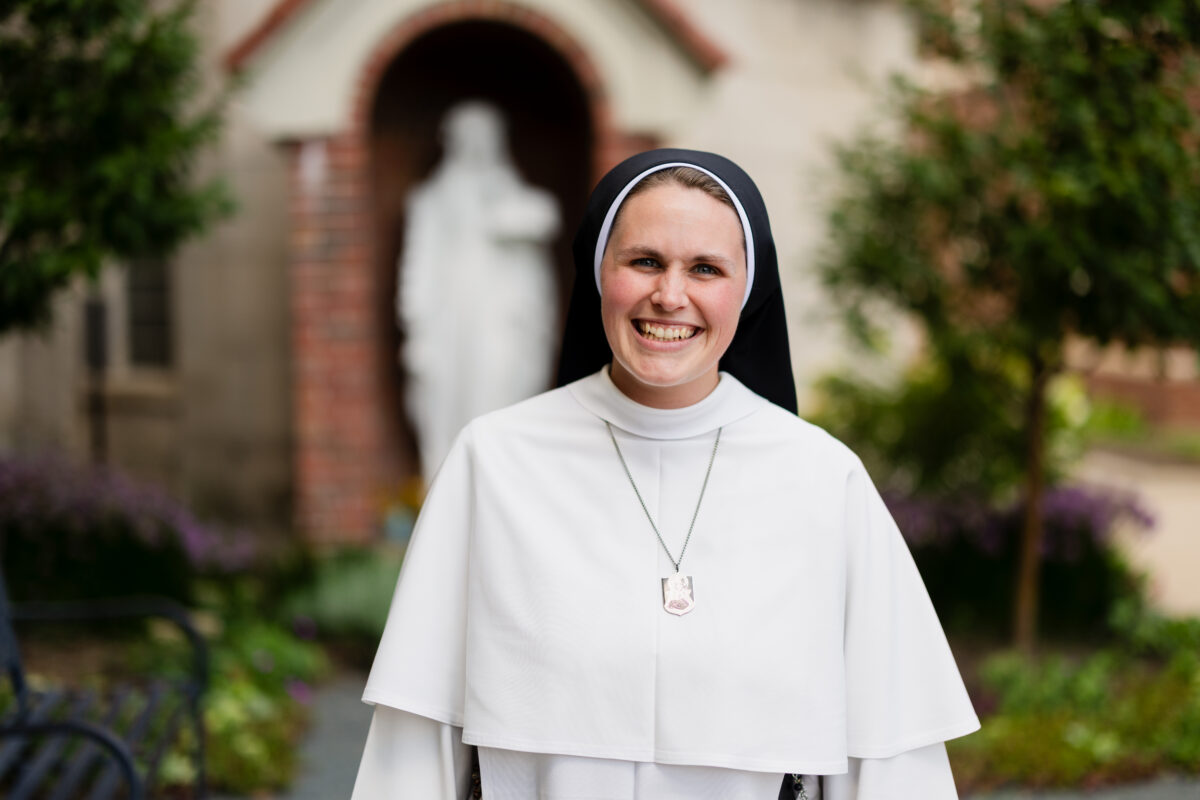
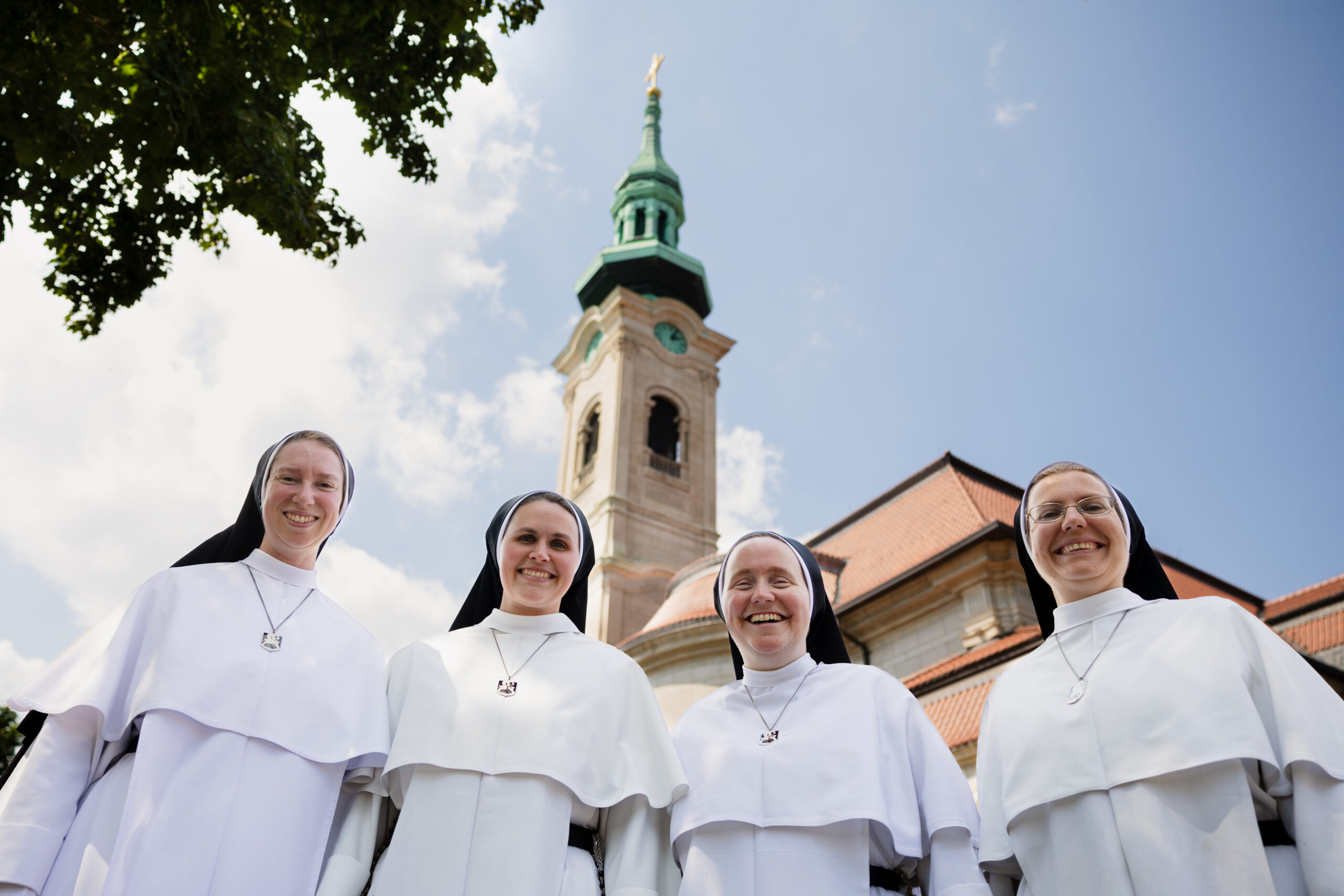
Ironically, discerning a religious vocation with the Dominican Sisters of Mary, Mother of the Eucharist is what first brought Sister Maria Angelico Brooks, OP (‘19) to Wyoming Catholic College. “I had first visited the college when my oldest brother was in high school and was looking into attending himself,” said Sister. “I was familiar with the school community, the liberal arts education, the unique outdoor leadership program and the deeply Catholic culture. As a senior in high school, I began to consider entering the Dominican Sisters after graduation.” As things worked out, she was not able to enter immediately after high school and needed to wait a year. The vocation director recommended that she continue her education in college. “One of the first places that came to mind was Wyoming Catholic. It quickly became clear that this was God’s will for me and I ended up staying not just for one year, but all four years.”

Ever since she was young, Sister Maria Angelico sensed a call to religious life, “a desire to respond totally to God by giving myself entirely to Him.” Her understanding of discerning a religious vocation grew as she entered middle and high school. She recounts that she “encountered the Lord Jesus in a profound way through His Eucharistic Presence at my parish and retreats, and through the example of priests and religious my family knew. I encountered Him through my parish life, my studies, through reading lives of the saints.” All this eventually led her to the Community she would one day enter, the Dominican Sisters of Mary, Mother of the Eucharist. Their “very name sums up all the ways the Lord invited me to Him,” she says. “We are Dominicans, who study to know the Truth and to proclaim it, we have a special devotion to the Eucharist and to Our Lady…I was drawn to our Community and planned to enter as soon as possible. But the Lord had other plans, and He led me to Wyoming for the second part of my journey.”

At WCC, Sister Maria Angelico continued to grow in her love for the intellectual life, “according to the great tradition given to us – through the Great Books curriculum.” But the thought of religious life did not go away during her years in college, but remained. After graduation in 2019, it became clear that the Lord was again inviting her to take the next step “and to trust Him.” She attended her last discernment retreat with the Community in the fall and began the application process. “I was accepted and then began the next journey of religious life!”

In August of 2020, Sister Maria Angelico entered the Community as a postulant, where she spent one year living the life alongside the sisters and getting to know the Community. After this first year of discernment, the next step in the process of becoming a fully-professed religious is entrance into the novitiate. In the novitiate, Sister Maria Angelico received the Dominican habit and her religious name. After two years as a novice, she made her First Profession of the Vows of poverty, chastity and obedience in July of 2023 along with seven other sisters who entered the same year. At this point, Sister Maria Angelico explains that the sisters are then sent to begin serving in an apostolate or continuing further studies in preparation for teaching. 

While being a part of the Dominican Order, which has been around for over 800 years, the Community Sister Maria Angelico belongs to is relatively “young” and was founded in 1997. “As consecrated women religious, our primary goal is union with God, lived out through a common life of prayer, study, and preaching or teaching. As Sisters of Mary, Mother of the Eucharist, we seek union with our Spouse, Christ, through His Eucharistic Presence. Our day flows from a daily Eucharistic Holy Hour and Mass,” she says. They seek to imitate Mary, the Mother of the Eucharist, who received the mystery of her Son and contemplated Him in her heart, but also brought Him to the world. One of the mottos of the Order is “to contemplate and to give to others the fruits of one’s contemplation.” From their life of prayer, community, and study, the sisters then serve primarily in the apostolate of teaching. “Our motherhouse is in Ann Arbor, MI, but we teach in many schools all over the United States, from kindergarten to the university level.”

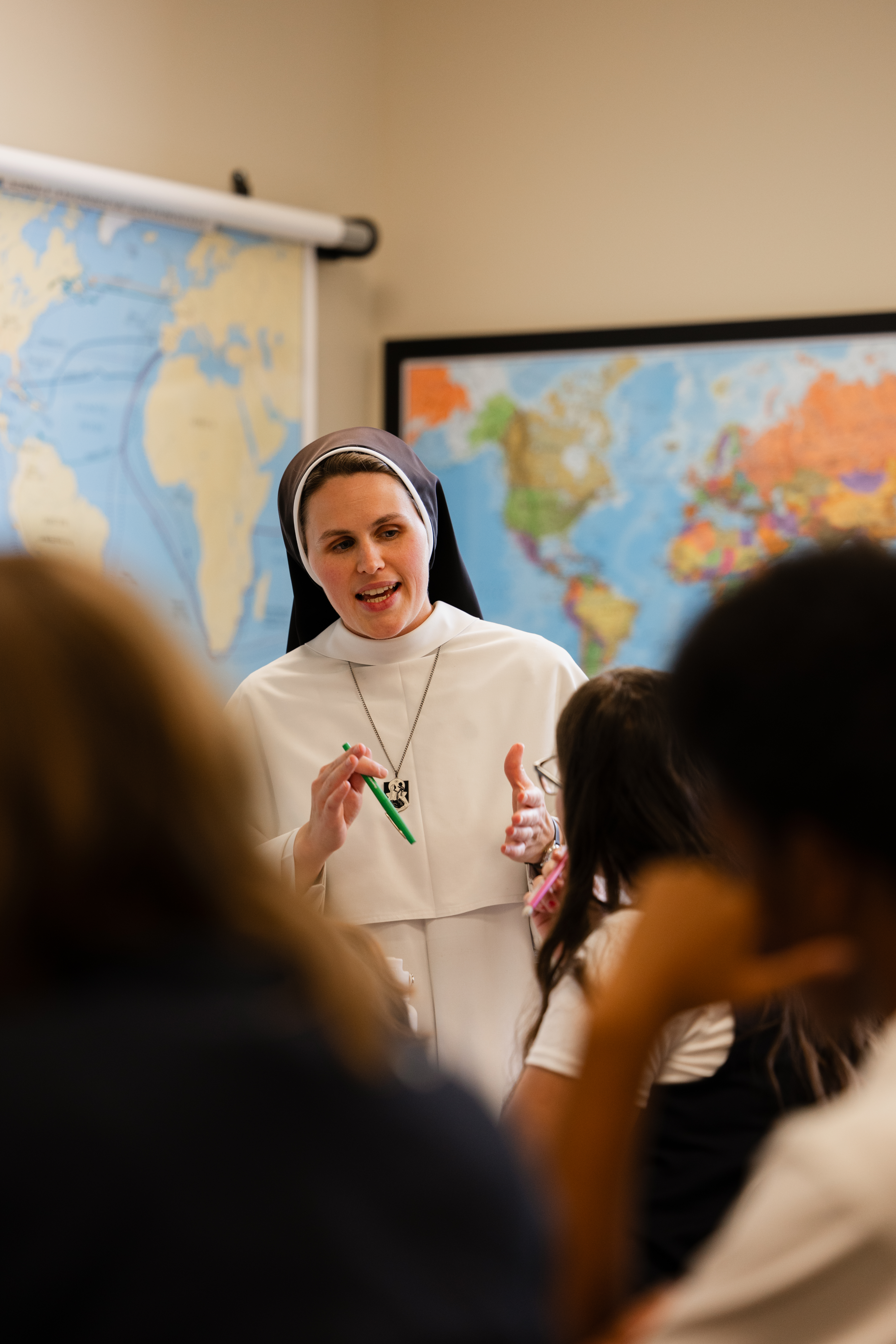
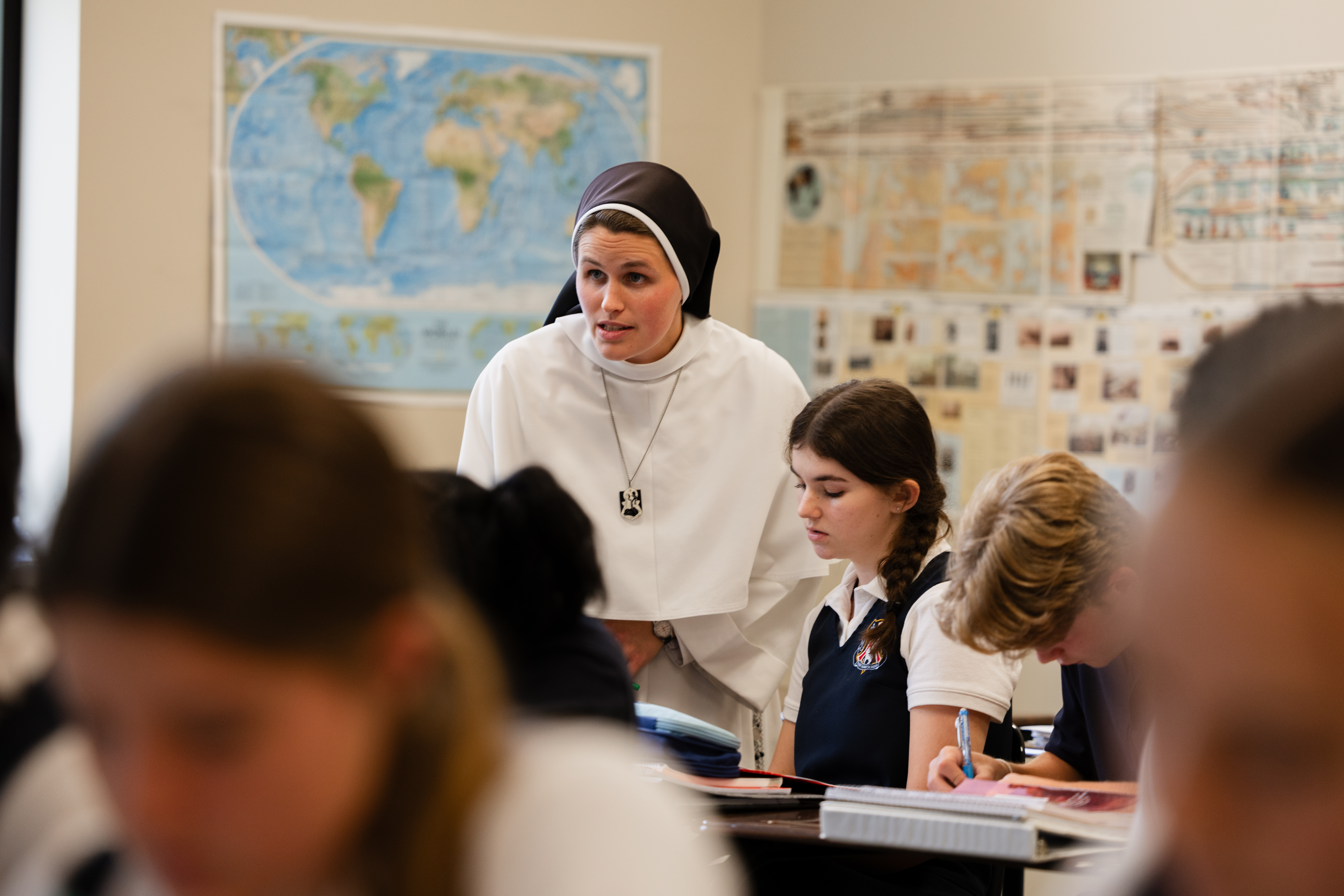
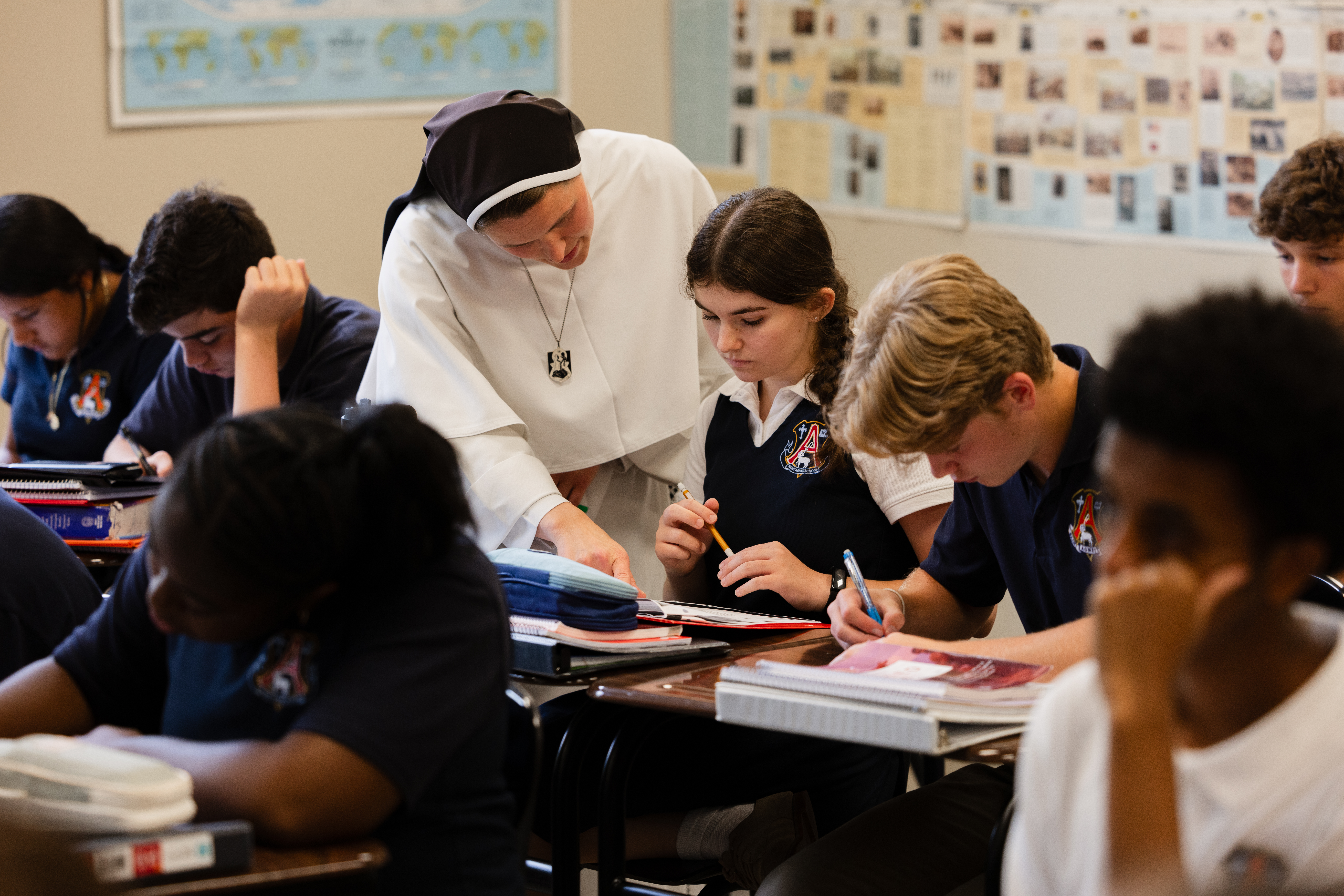
Sister is now in her second-year of teaching at St. Agnes School in St. Paul, MN, a PreK-12 Catholic liberal arts school. “Our sisters have taught in both the elementary, middle and high school since 2018. What brought me here was firstly, obedience and that this was the assignment I received – of course, my Community knows of my liberal arts education in college and so it is a good fit! Based on my background and love for the humanities, my teaching certification is in 6-12 history and English.” This year Sister is teaching United States History to sophomores and Modern Western Civilization to 8th graders. “It is really a gift to be able to hand on the heritage of our country and also the story of Western civilization to the students. I especially love helping them see the patterns of God’s Providence at play even in the best and worst of times in history.”

“When I think of the non-technical skills WCC formed me in, I think of the integrated formation in community life we received as students in and outside of the classroom, in the backcountry, or even on horseback,” Sister says. This formation was “special and noticed by my religious community and colleagues in the apostolate, because it was so holistic and integrated.” Students at WCC learn to see how God uses every experience they have – from the classroom to backpacking in the mountains – to form them. This is the reality of a true Catholic education, which Sister says “is about forming the whole person for holiness.” 

Sister muses on what she loved most at WCC: “I believe what I most appreciated was the integrated Catholic culture and the community that came from that.” Thinking of what continues to impact her most, she says that “developing the habit of wonder and searching out what is true, beautiful and good at all times, be it in what I read or study or when encountering the ‘gift of another’ in conversation” remains with her in a special way. “I would also say this habit continues to be formed as I live Dominican life.”

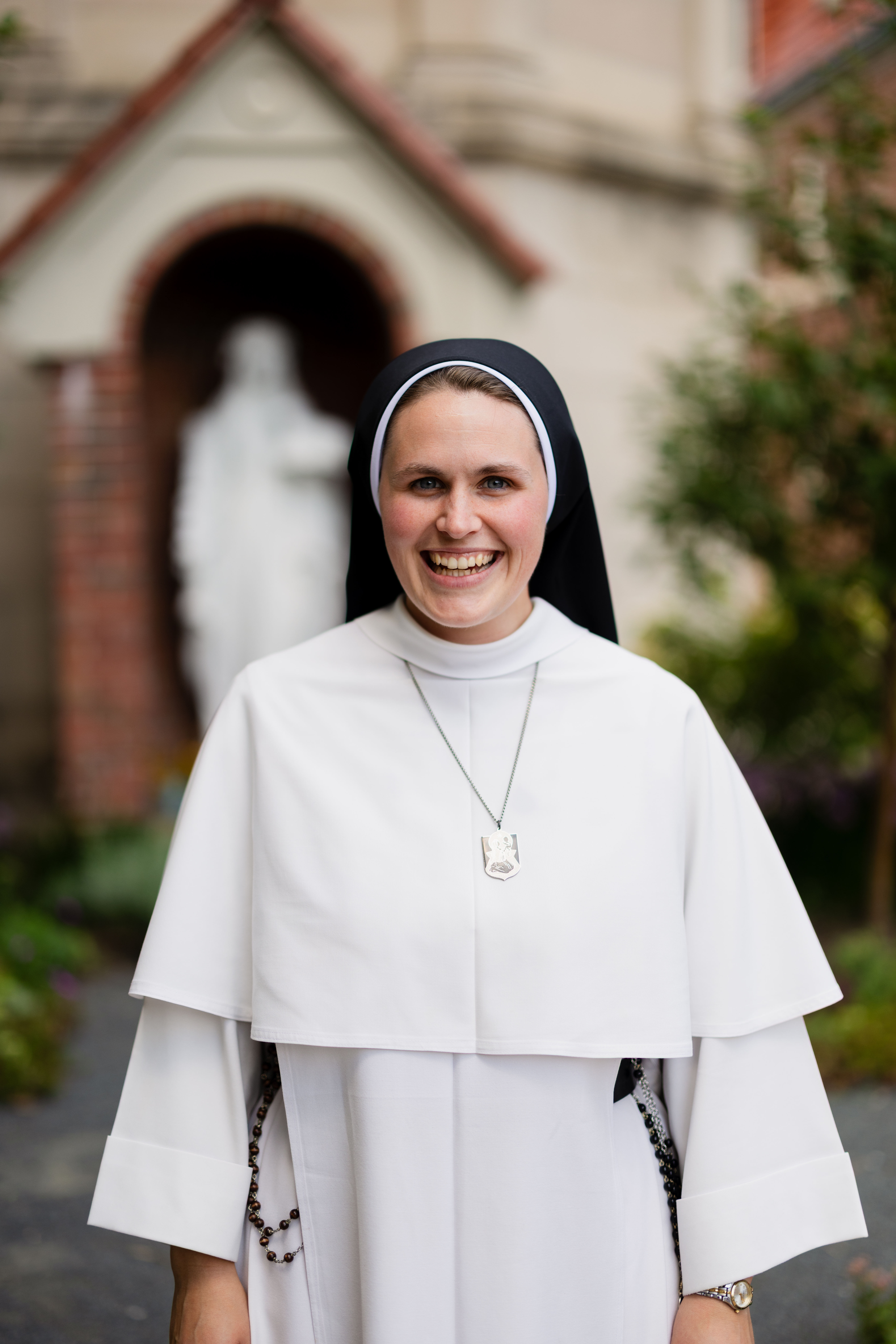
As far as WCC’s influence on her vocational path, Sister Maria Angelico thinks that if she had not been discerning religious life before, she would have after her time in “God’s Country” “simply because the education we received drew me even more to God’s goodness, truth and beauty. As I look back too, I can’t but see how Dominican my education at WCC was and am grateful for the many opportunities to study St. Thomas Aquinas and the great minds he influenced in the Western tradition.” She reflects on one of her favorite aspects of religious life: “One of the favorite things about our life is the gift of wearing the Dominican habit. It is the sign of my consecration to the Lord Jesus as His bride. Wherever I go, people see me, and they think of God. Wearing the Dominican habit is preaching simply by being and opens the way for others to encounter the Lord through me. Often the Holy Spirit works through these encounters in ways I could never plan or expect.”

Asked what advice she would give to college students discerning a vocation to religious life, Sister Maria Angelico had three suggestions: 

First, go to Mass, Eucharistic Adoration and confession as much as possible! Live a life of grace –and receiving grace through the Sacraments the Church gives us. God is always working through the graces of the Sacraments and the Liturgy.

Then, make it a point to do some spiritual reading – lives of the saints, what the saints themselves wrote, and bring what they say to your prayer.

Sister also says that “I recommend starting a conversation with priests or religious you may know and looking up different religious communities. Conversation with the Lord – prayer – is obviously the first step in all discernment, but He also speaks through His ministers, through those whom He’s consecrated. He does not want us to be alone on the journey of discerning our vocation.”

One thing Sister would recommend about discernment in general is “asking God for the grace to trust – trust Him, the Holy Spirit, trust those people God places in your life to give you counsel, and even trust yourself.” Sister recommends asking God for the grace to trust and then “practice trusting Him in the day-to-day things. See how His providence is at work in what we would consider the smallest parts of our lives. Making daily acts of faith and trust can only build up our confidence in God and when He asks for something great, then we are ready to respond.”

WCC Congratulates Archbishop Paul Coakley on Election as Next USCCB President

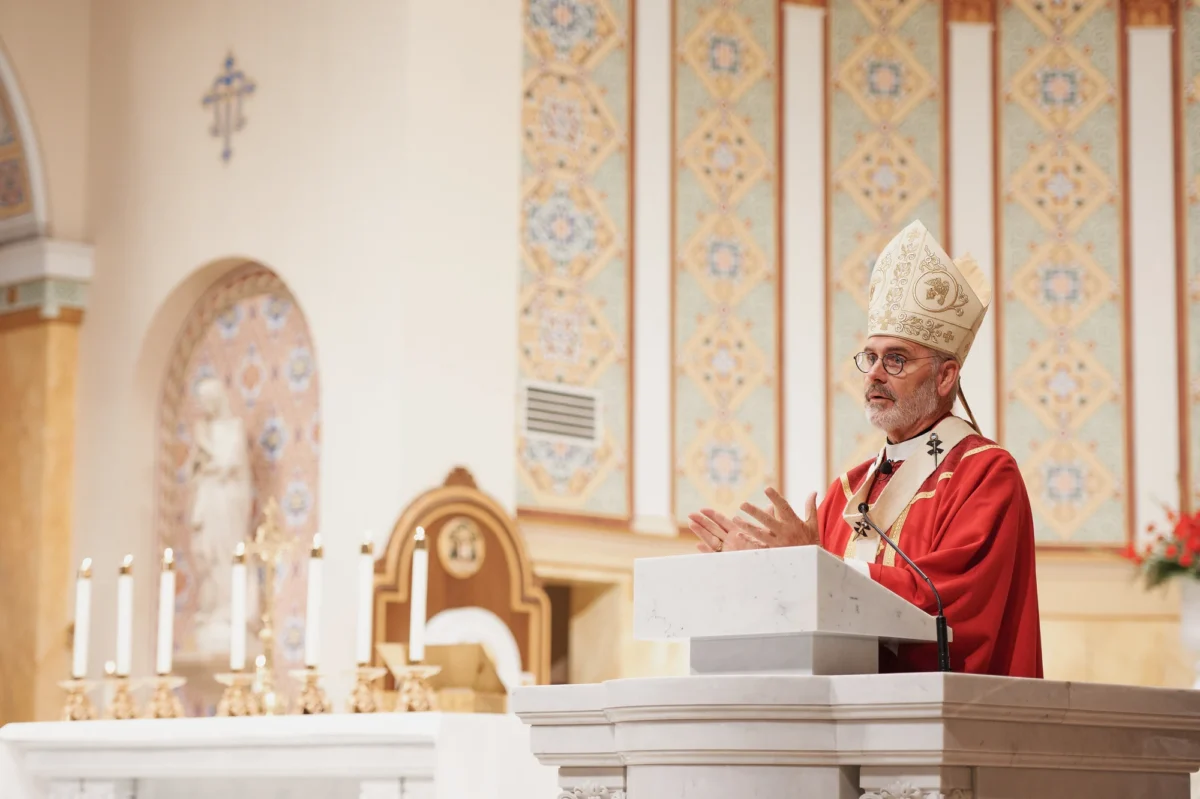
The Wyoming Catholic College community is pleased to congratulate Archbishop Paul Coakley on his recent election as President of the United States Conference of Catholic Bishops (USCCB).

“Archbishop Coakley is a wonderful example of what we all hope for in our church leadership,” says Fr. Dcn. Kyle Washut, the College’s president. “The fact that he accepted the call to serve ‘in faith and with great hope’ and by asking for prayers from his fellow bishops and from his flock shows what sort of bishop (and man) he is, and I’m glad to see him take on the roll. Selfishly, I worry he’ll have harder time coming to my advisory council meetings, but the Church will be the richer for his presence in the presidential seat.”

A long-time friend and supporter of the College and a member of her Presidential Advisory Board, Archbishop Coakley has ties that go back even farther than the College’s founding, all the way back to his youthful presence in the University of Kansas’s Integrated Humanities Program (IHP), an extraordinary Great Books program created, in part, by Dr. John Senior, whose writings on education and on the importance of Catholic culture were fundamental to WCC’s founding. (The College’s “Philosophical Vision Statement,” written by Dr. Bob Carlson, the College’s Founding Dean and an IHP graduate himself, was profoundly influenced by Senior’s thought. Carlson’s book on his experiences with the IHO, “Truth on Trial: The Rise and Fall of the Integrated Humanities Program at the University of Kansas,” is being reprinted in partnership with Wyoming Catholic College, CUA’s Catholic Education Press, and Adeodatus’s Series on Catholic Education and Culture. It will be available in February.)

In the Fall of 2009, Archbishop Coakley, then Bishop of Salina, KS, visited Wyoming Catholic, during which time he blessed the newly-acquired American Legion building that was the College’s first acquisition in downtown Lander. It was renamed Frasatti Hall, and has served as the College’s cafeteria ever since.