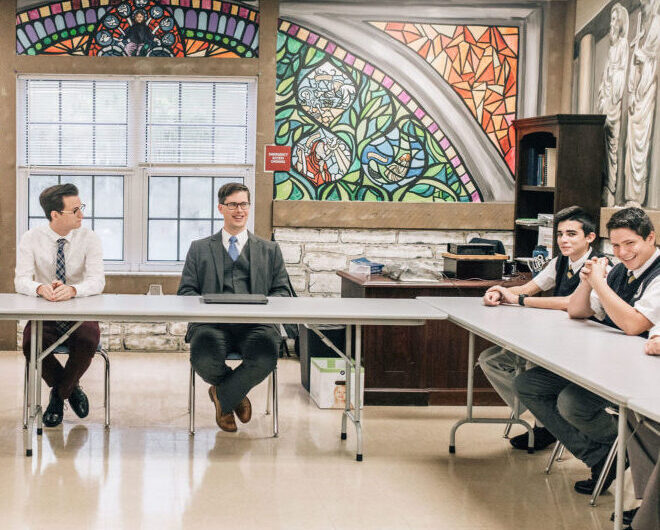
 “When I arrived at Wyoming Catholic as a freshman in 2010, all I knew was that I needed a liberal education,” said Dr. Michael De Salvo (‘14), the Academic Dean at the Chesterton Academy of Orlando, Florida, where he also teaches Theology and Philosophy. “What I did not know was that ‘the more you know, the more you know you don’t know.’” This lesson, which De Salvo says he learned so clearly at Wyoming Catholic College, is “one of the defining aspects of what makes a man truly free. It is one of the defining lessons of a liberal education. When I am successful as a teacher, it is because I am passing this lesson on to my own students as well.”
Dr. De Salvo is one of numerous alumni who have leveraged the insights their liberal arts education gave them to become teachers and educational leaders in their own right. Joseph Maxwell (‘21) serves as headmaster of the Chesterton Academy of the Rogue Valley while Jack Thrippleton III (‘19) is Dean of Students at a Chesterton School in Fort Worth Texas. While we chose to interview these three, there are numerous alumni at other Chesterton Schools around the country: Mary DeSilva (‘24) and Margaret Magana (‘22) in Rhode Island, Jack Carter (‘14) in Michigan, Ainsley and Brian McNulty (both ‘24) in Indiana, Aidan Luzarraga (‘25) in Wisconsin, Lydia Lei (‘12) and Kate Wagner (‘24) in Minnesota, and Zachary Davis (‘24) in Oregon, to name but a few.
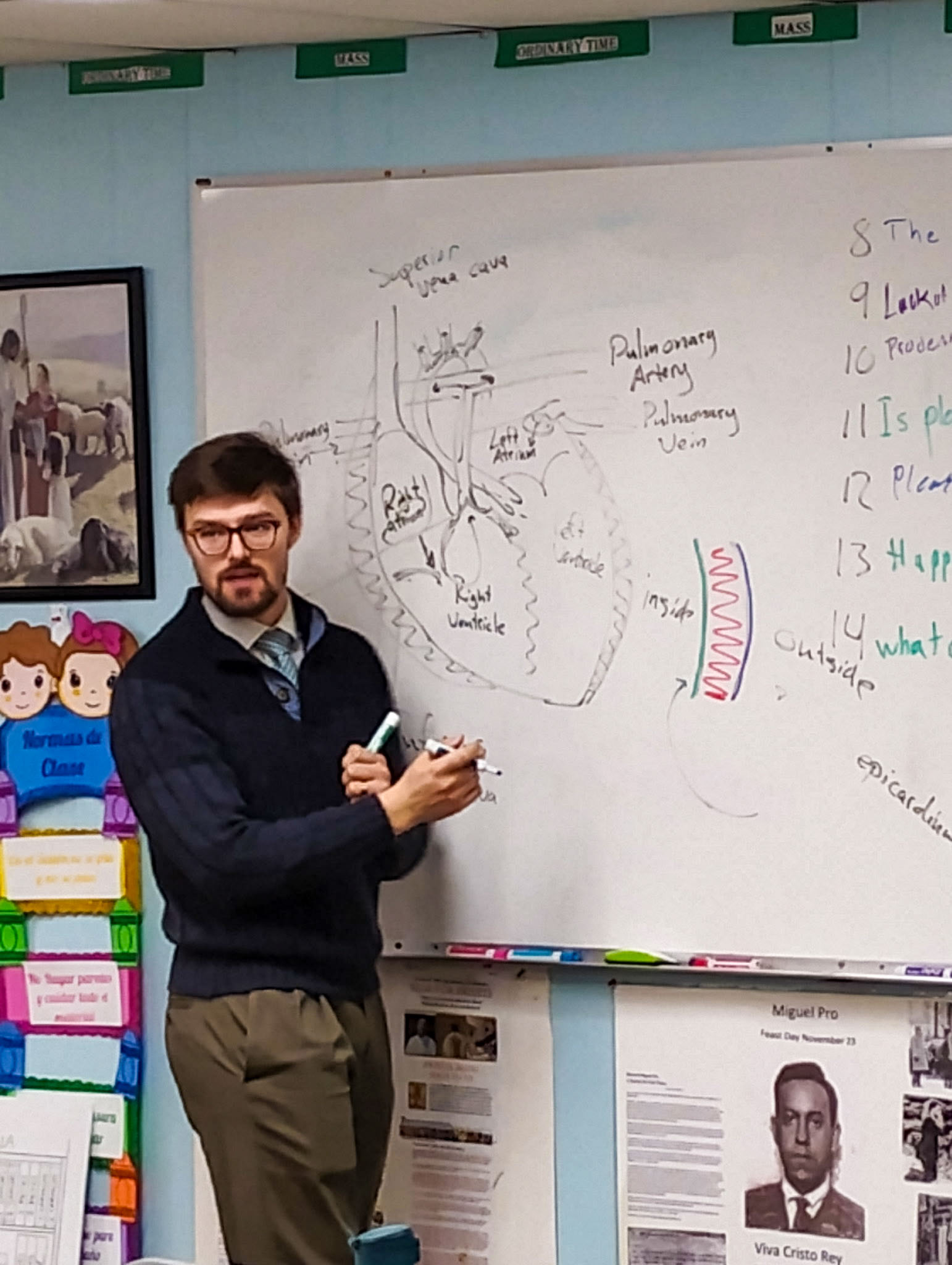 Maxwell explains that his academic formation at WCC allowed him to be a versatile teacher: his intimate knowledge of the Socratic seminar method and familiarity with multiple disciplines was invaluable. Not only that, but Maxwell’s leadership training from the College’s Outdoor Leadership Program strengthened his “ability to build effective teams and to accomplish the many administrative tasks that go along with running a high school. Planning and leading trips directly transferred to planning school calendars, navigating interpersonal relationships, conducting faculty trainings, and speaking publicly on behalf of the school.” Maxwell says it gave him confidence not only in his abilities as a leader but also an ability to trust the team that was working with him to build Chesterton Academy of the Rogue Valley. “I would not be where I am without WCC’s education.”
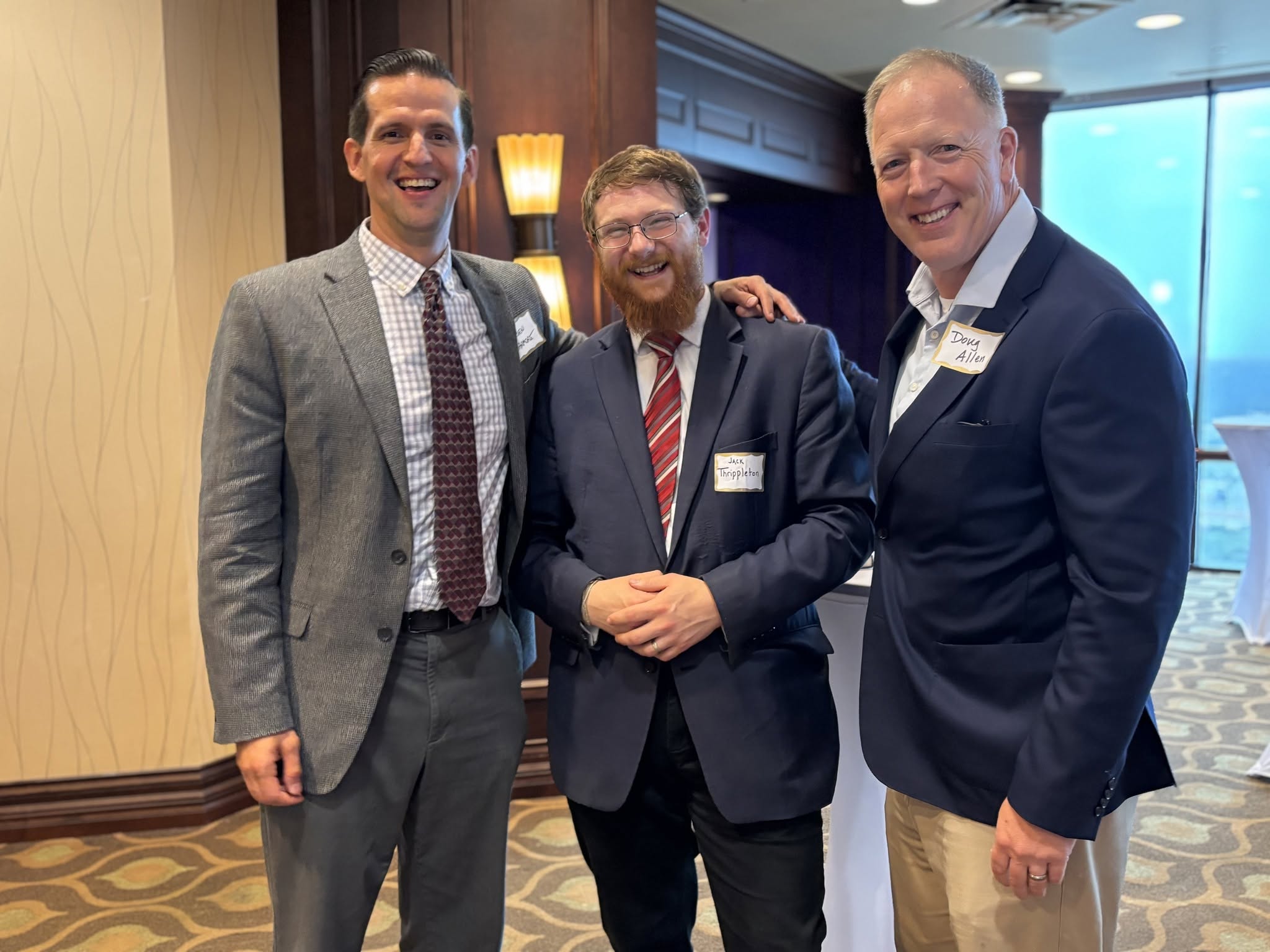 Thrippleton believes that his specific talent for teaching Euclidian geometry was what initially made him an attractive candidate for teaching at the Fort Worth-based Chesterton academy. “I taught math and science courses, but this year I branched out to not only Dean of Students, but also Drama, Philosophy, and History, while still keeping some Math and Science courses.” He describes a day in his life as student dean: “We start our school day with Mass at a local parish—some days an Ordinary Form Mass, some days a Latin Mass at the Fraternity of Saint Peter parish. After that we drive to our campus location…then I’m either teaching classes or prepping for them by reading my texts, writing lesson plans, or making slideshows. I also handle discipline issues that arise past the teacher’s in-classroom scope and help plan and run events for the school.”
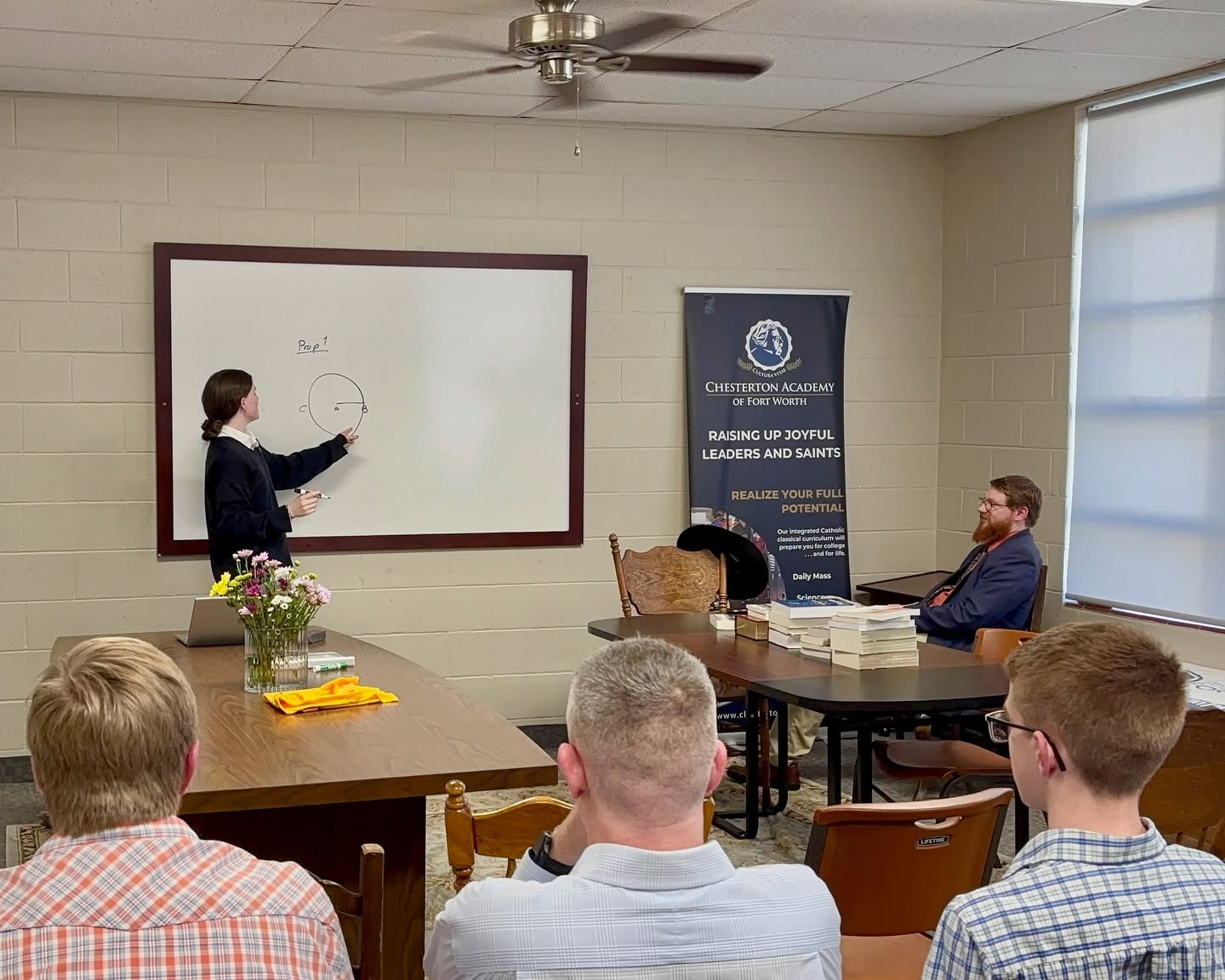 Thrippleton recognizes that his time at WCC affected his vocational path in two ways. “First, I very strongly desired to stay in the intellectual, academic environment, which pushed me to education as the charitable outreach of intellect and has pushed me back when I’ve been in other fields. Second, my versatility, adaptability, and ability to knowledgeably comment on many subjects (and ability to recognize when I lack knowledge) have made me a valuable member of any team.” Being so valued means that where he works, he is asked to take on more responsibilities. WCC’s education is primarily focused on learning modes of thought: how to think literarily, philosophically, mathematically, scientifically, theologically, and the like, Thrippleton explains. “I use those patterns and modes of thought every day and strive to instill them in my students. This applies, obviously, to academics, but as Dean of Students I also apply that to behavioral and social issues: how to think (and live) charitably.”
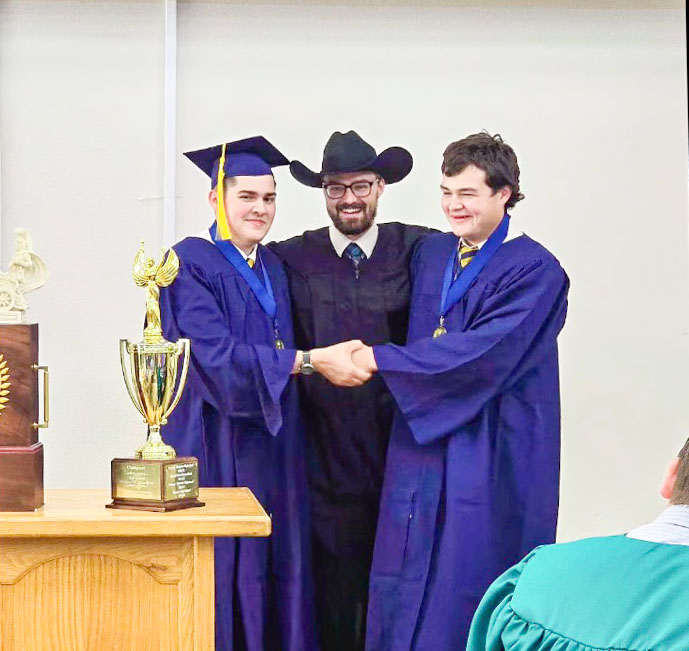 Maxwell reflects on what initially drew him to Wyoming Catholic College. “My interest in WCC stemmed from my experience of visiting the campus. I was stuck by how alive everyone was. There was space, simultaneously, for both rigorous study and spontaneous adventure. The two seemed to flow together without damaging the experience of either one. Students could devote themselves entirely to their studies while, paradoxically, finding time to rock climb at dawn.” Life at WCC was whole, he says: the people were real and their time wasn’t compartmentalized or tedious: “there was room for everything that mattered and nothing else.” The promise of something so complete “was too good to pass up. I fell in love and never looked back.”
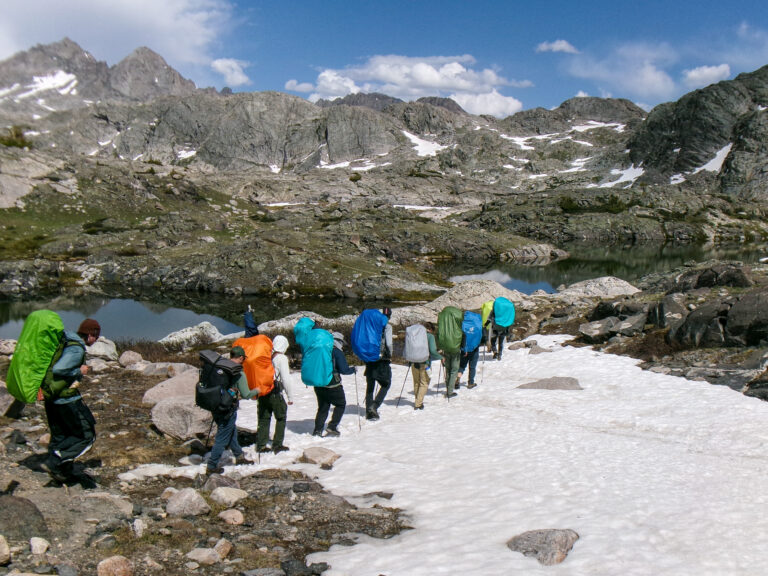
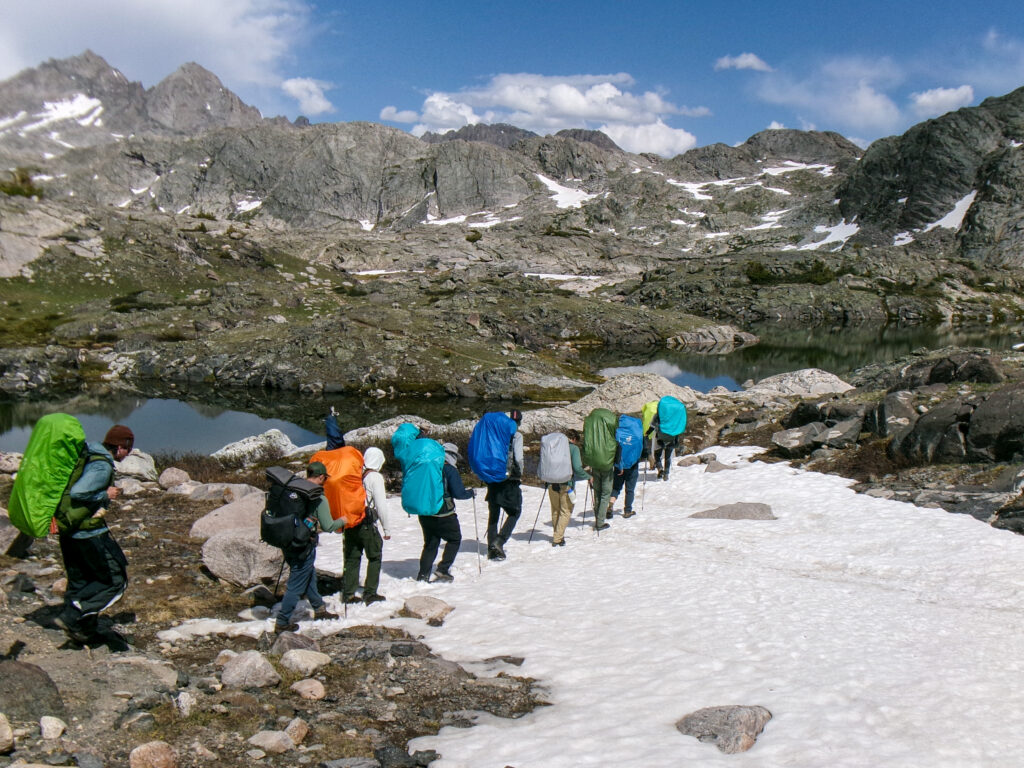
“I loved that we didn’t have to choose between living an intellectual life and living an adventurous life,” he continues. “We traversed rivers, climbed mountains, and slept in remote canyons all the while discussing literature, reciting poetry, and singing hymns in polyphony. I remember beaching the rafts and, after setting up camp for the night, building a campfire. We sat around that fire watching its light reflect off the canyon walls while singing shanties and folk songs for hours. Time seemed to stop for us there and I remember feeling amazed by the sheer ancientness of that place. After we’d let the fire die and gone to our bed rolls for the night, I remember being amazed at how silent it became.”
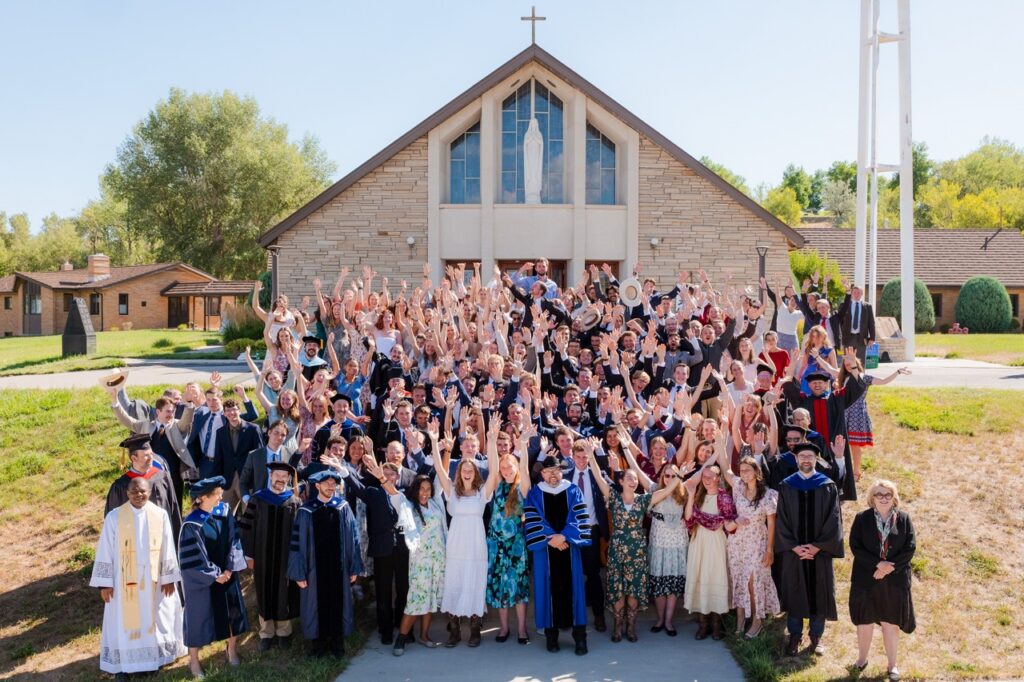
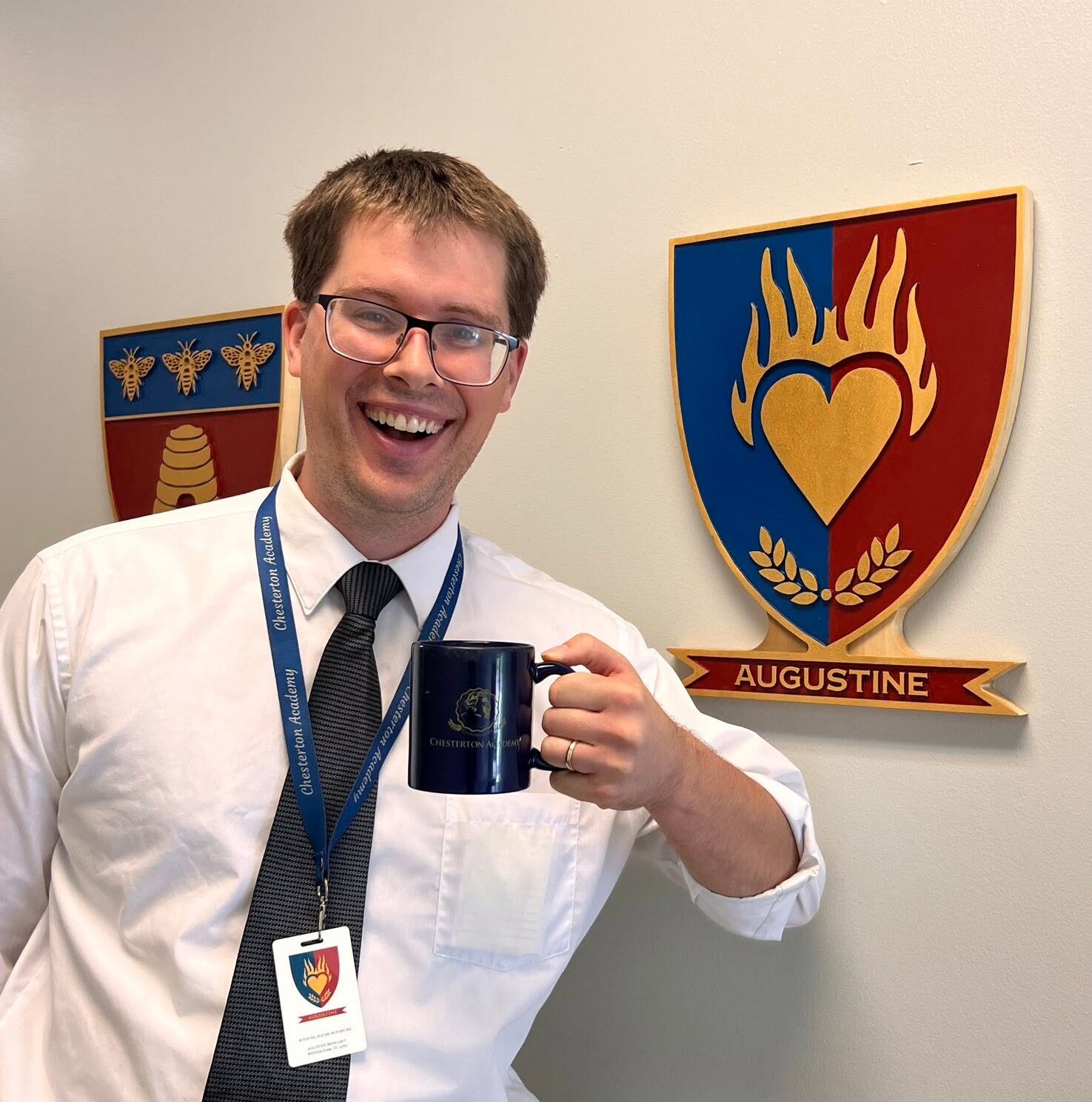 For Dr. De Salvo, it was the clarity of truth-seeking that comes to mind when he remembers WCC: “the defining aspect of my education at Wyoming, in addition to the College’s fidelity to the magisterium and the wisdom of its professors, was the intellectual community it fostered. Truth is not a private good; it is a common good that unites those who share in it in love. From the moment they step in the door, freshmen at Wyoming Catholic find themselves caught up in a society greater than themselves. It is this kind of community I aim to foster among my own students. And it is just such a love of the truth—a love upon which Wyoming Catholic College was founded—that I strive to inculcate in my students.”
When asked if a liberal arts college-level education would be redundant to a high school graduate of a classical school, Maxwell explains: “While our education is excellent, there is still a significant place for the kind of education that Wyoming Catholic College offers. What we hope to provide our students is an introduction to the liberal arts while WCC’s education serves to deepen and broaden that experience. Our students have had the appetizer, but WCC serves the meal.”
In response to high school students who might be concerned about how off the beaten path WCC is, Maxwell responded: “The smallness, remoteness, and ‘weirdness’ of WCC was exactly the cure I needed to break out of the autopilot that ‘normal’ life puts you into. Yes, WCC is small, but it can therefore give you a formation that is personal. It’s remote, but Christ prayed in the desert. It’s weird, but only because it’s different from the culture of mere subsistence. WCC’s value isn’t diminished by being these things: it is valuable because of these things.” Thrippleton had a similar response: “The small size is what makes it great. Why would you want to be a hidden cog lost in a larger machine?” As for remoteness, “That’s the adventure, and in order to grow and develop sometimes you have to go out there. It’s always been so—the centers of learning draw people from all over, no matter where they are. Decide whether you want what WCC offers, and, if you really do, then let distance be no obstacle!”