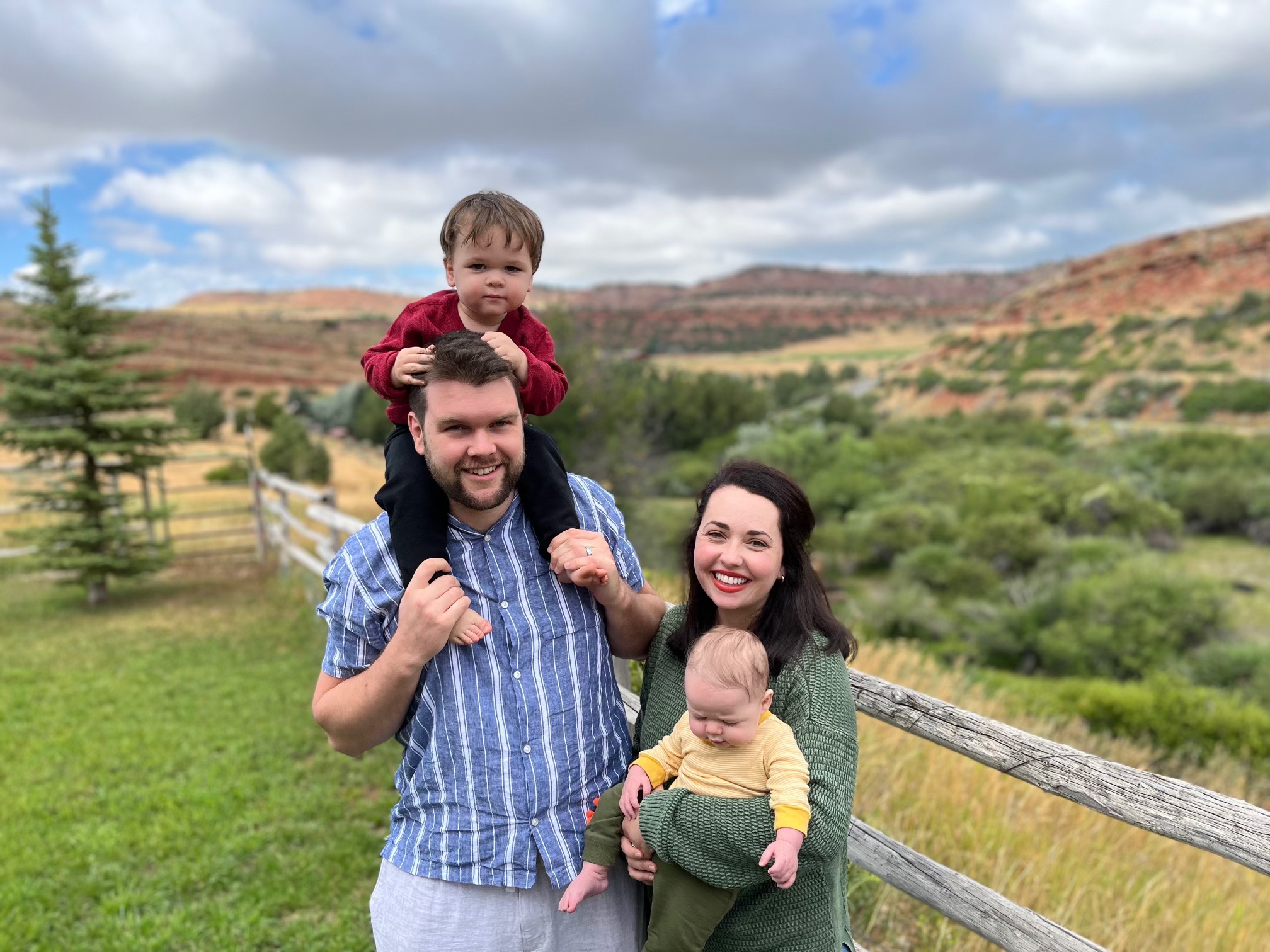
Claudia Tawfik (née Elias)

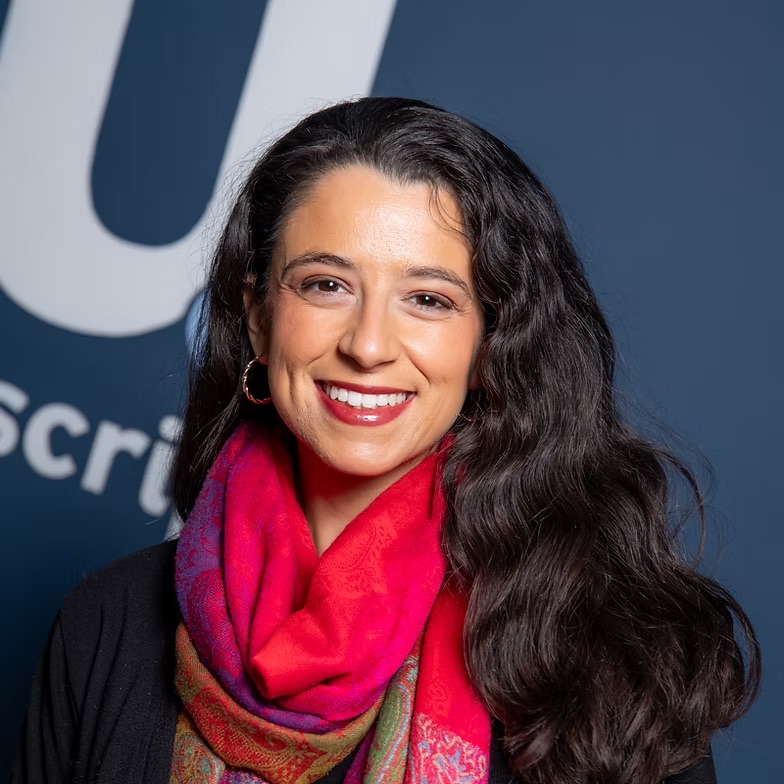
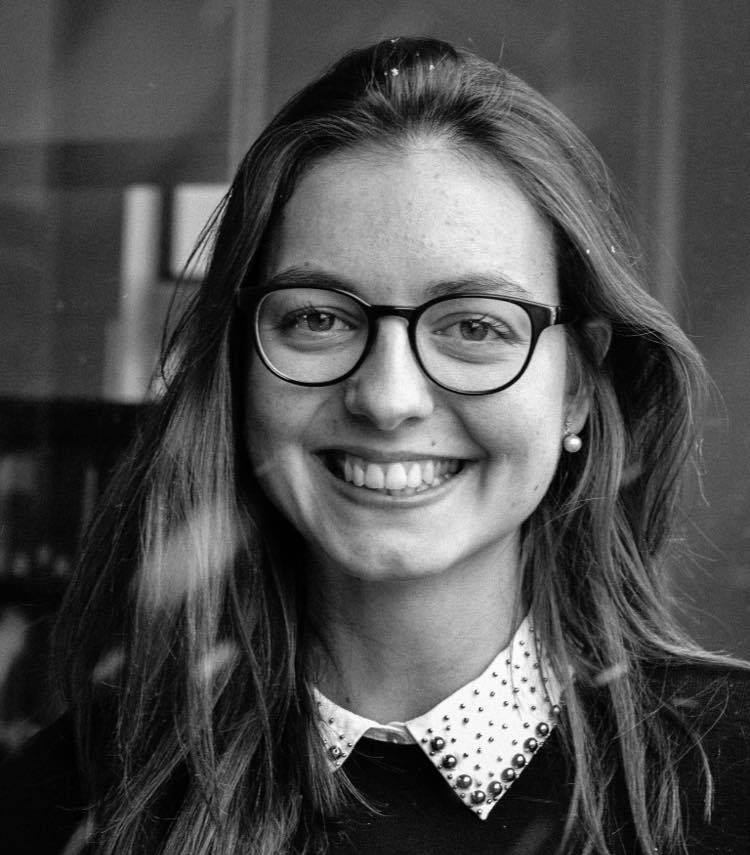
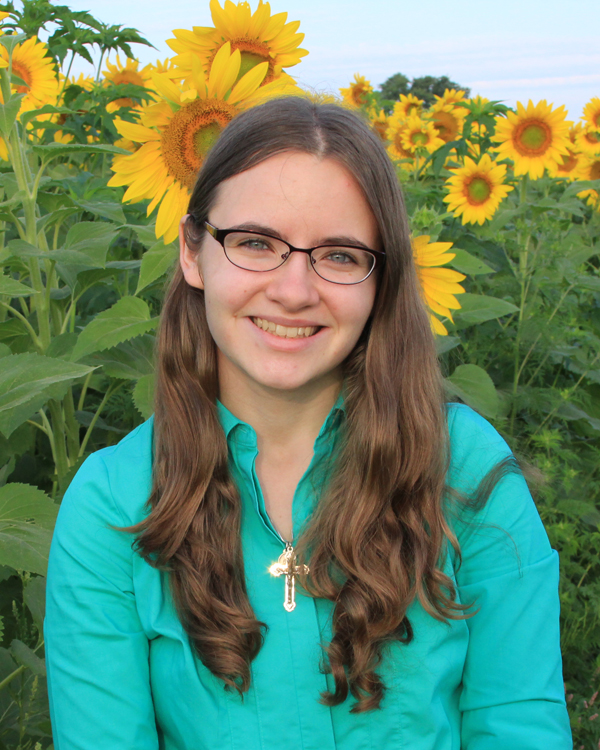
Just before COVID, I traveled to Egypt, and while I planned to be there for only a few weeks, the lockdowns kept me there for nearly five months. When the airport eventually reopened, I returned to the United States to visit my family, but I decided to return, because I was convinced that there was something for me to learn in Egypt. I saw the Eastern culture I experienced there as a counterbalance to my studies in the Western tradition, complimenting many of the things I studied at Wyoming Catholic College. Entering into the unknown is essential;  otherwise, we become stagnant and we cease to learn.

Going into the wilderness [for the 21-Day Expedition] and being challenged was the foundation for much of what I find myself drawn to today. Through their time in the wilderness, students learn that they are not completely in control of their environment. They also learn that they are not helpless. Putting a shelter up before it rains, for example, will keep you warm and dry. Students learn to take control of the factors that they can and to let go of what they cannot. Wyoming Catholic gives them the tools to explore with confidence.

In my own life, I am taking what I learned in Lander and bringing it to bear on my new experiences, reflecting on them and learning from them. They are not just things that happen to me; they are things that transform me.
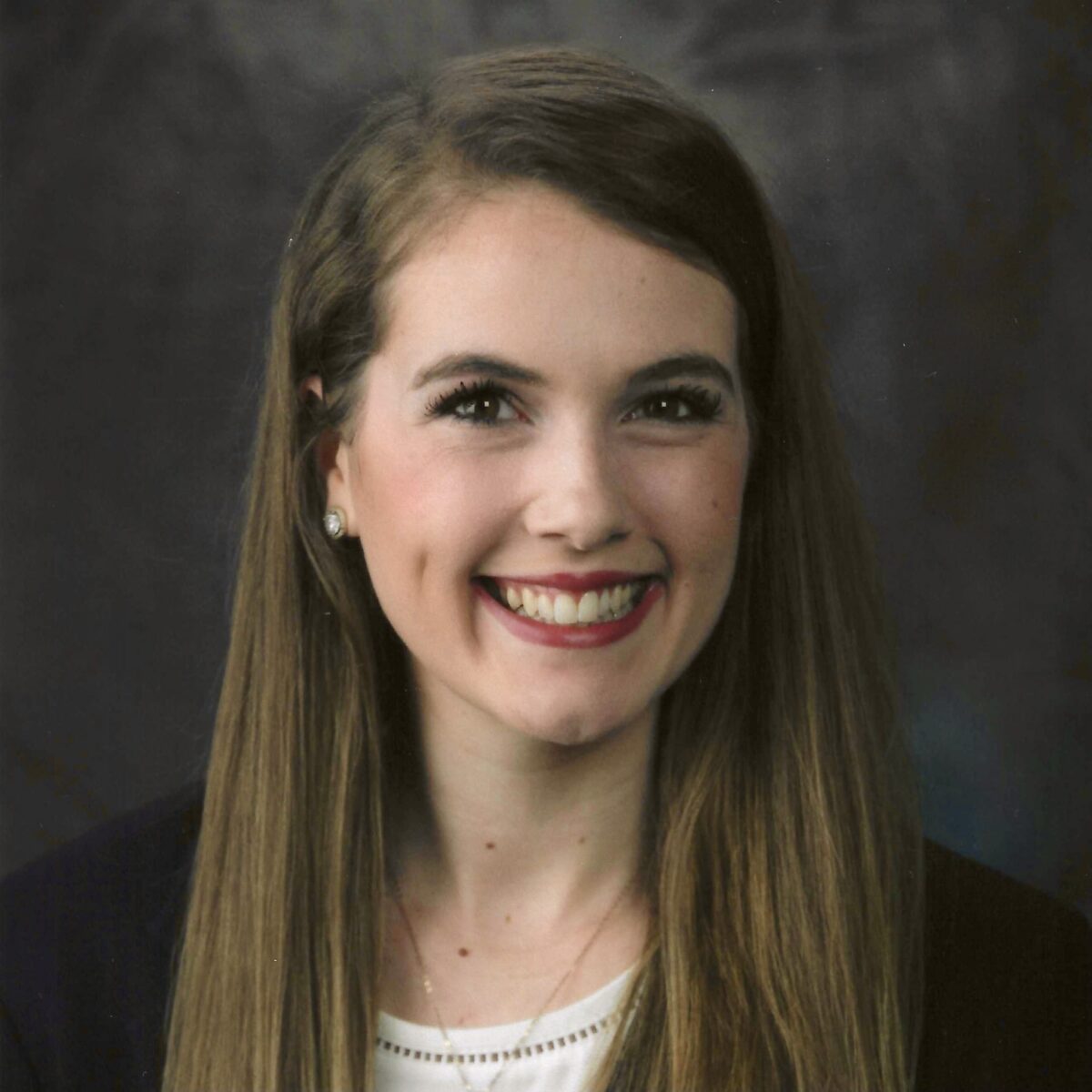
Mary Jessica Woods

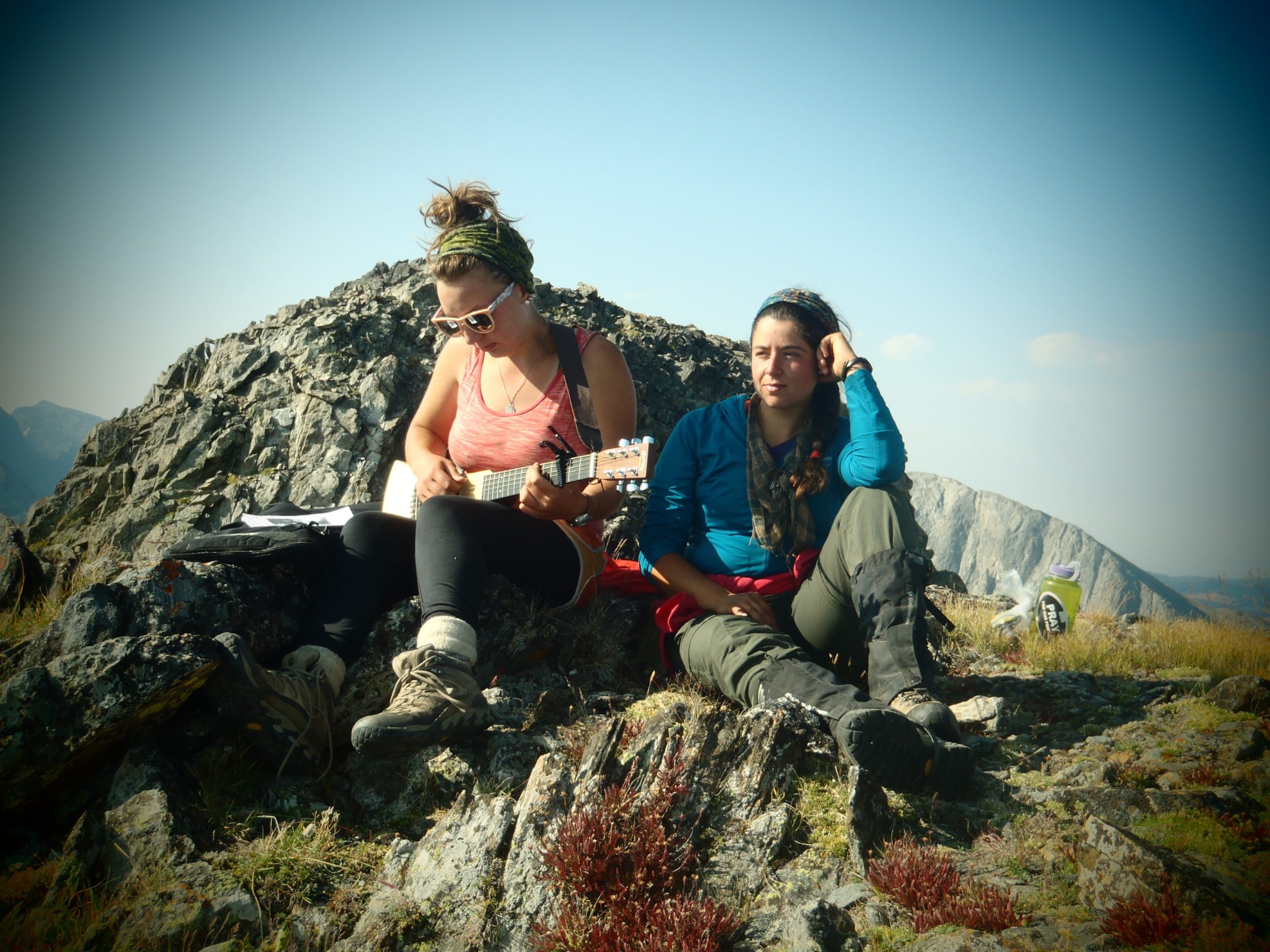
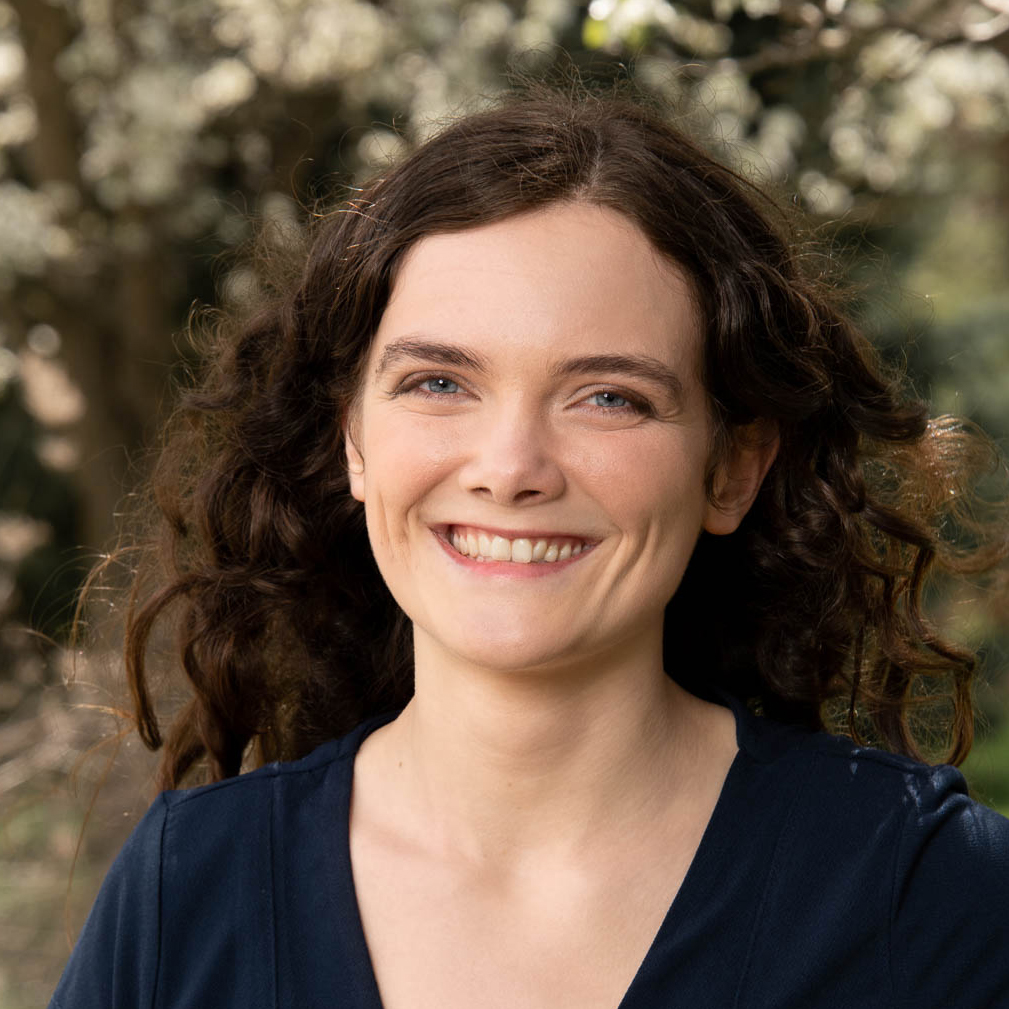
I was raised and homeschooled in the Chicago suburbs, where I read as many adventure stories as I could get my hands on. At the age of ten, I realized that I was doomed to be a writer and I’ve been following the muse ever since. Seeking adventure, I headed out west to Wyoming Catholic College, where I climbed mountains, rappelled off cliffs, and studied the Great Books.

My education immersed me in the best literature, philosophy, and theology of the West–a depth of tradition that I hope to bring to my own creative work. The most compelling fantasy and sci-fi have the same elements as any other great work of fiction: an understanding of the order of Creation, of goodness and evil, and of the spiritual battleground of the human heart. My time at Wyoming Catholic grounded me in this understanding, which is so crucial to creating true and beautiful works of art.

After graduating summa cum laude with a bachelor’s degree in the Liberal Arts, I returned to the Midwest to work as an editor. I also volunteer as an editorial assistant for the literary magazine Dappled Things, and my nonfiction has appeared in America MagazineCatholic World Report, and First Things. In my mind, I spend most of my time on distant planets or alien spaceships, but I actually live in rural Michigan.

In October, Mary published her debut novel, Markmaker, now available from Chrism Press.

Dr. Peter McCullough

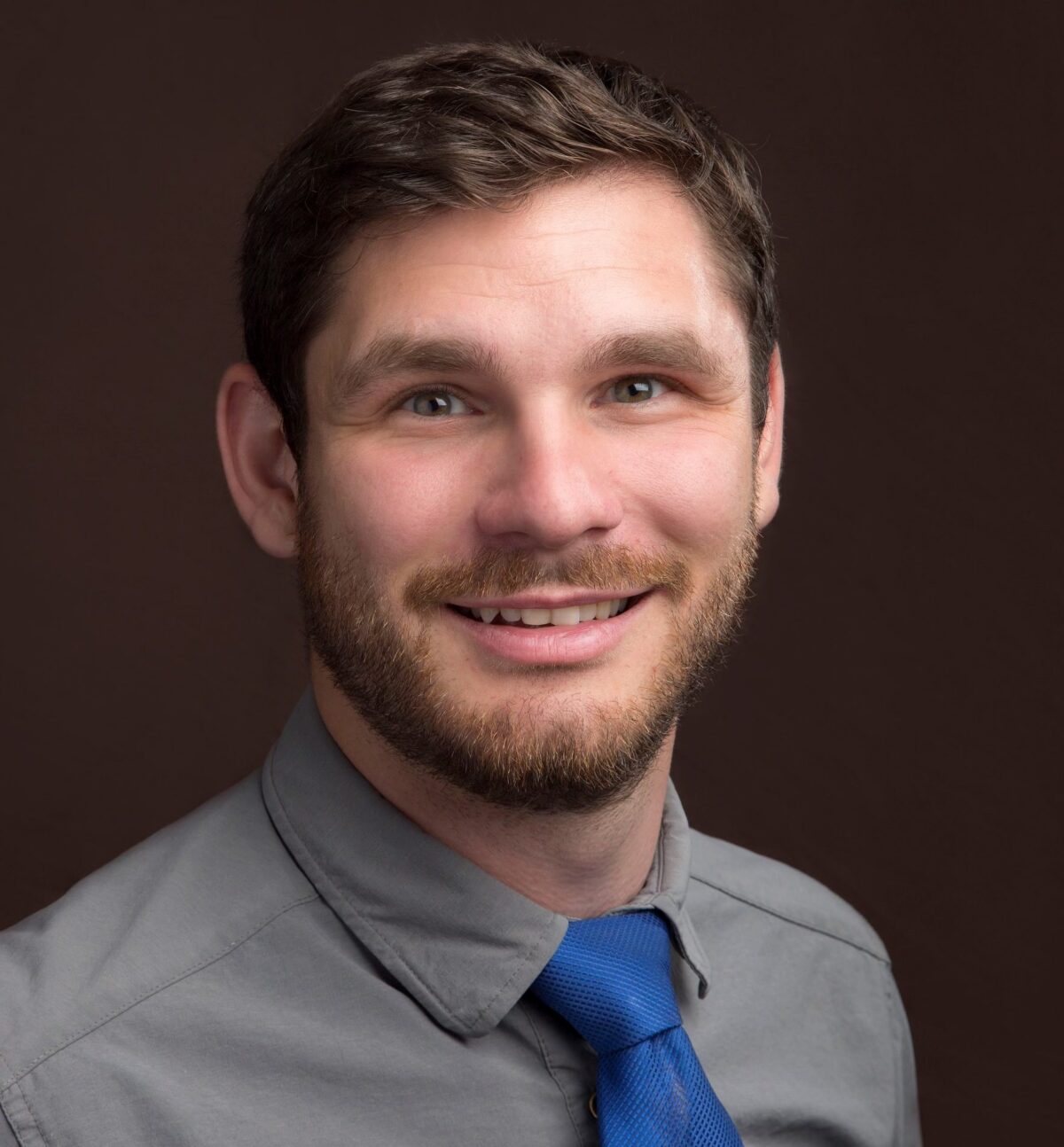
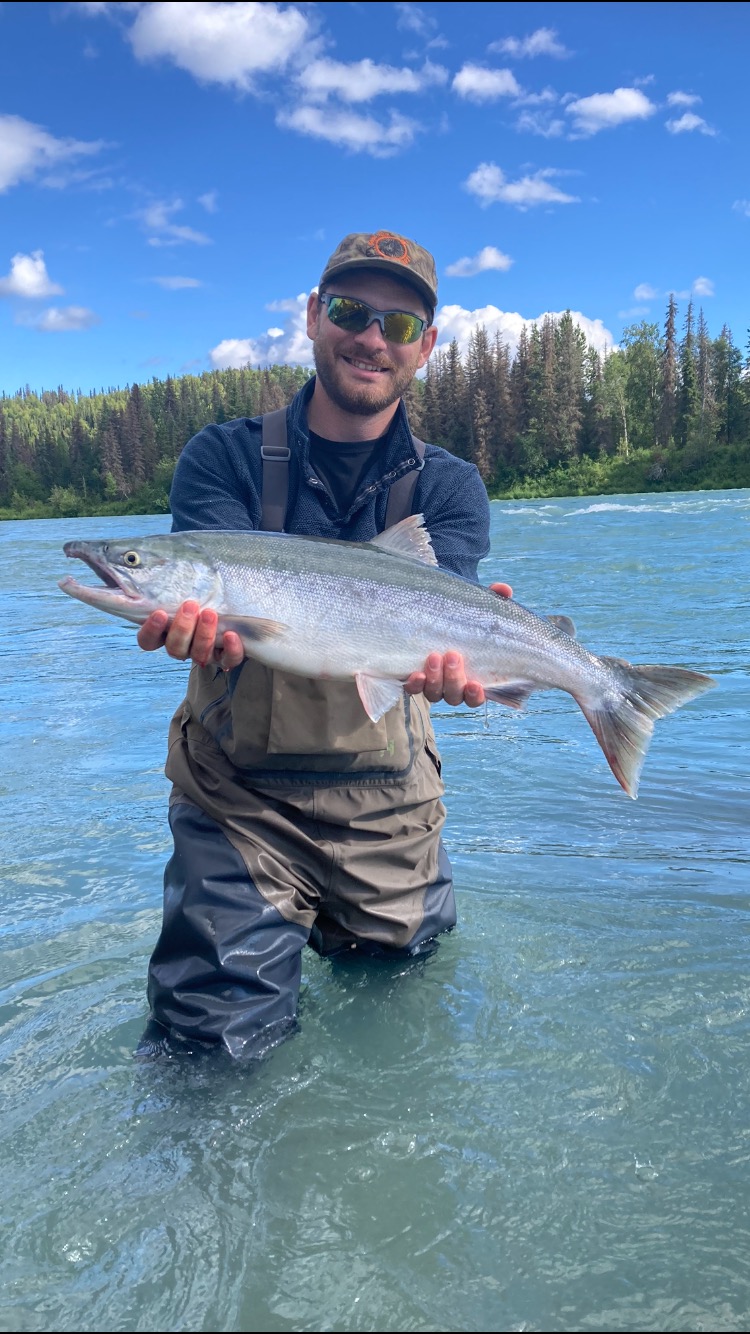
This college prepares you for just about anything. One day you’re in a classroom talking scientific theory, and the next you’re flying to Washington to climb Mount Rainier. There’s no other college quite like it.

My own career path is a perfect example. My interest in medicine stemmed from work I did with the Wyoming Protection and Advocacy group as well as volunteer work as a Wilderness EMT. After working as as a Lead Field Engineer for Halliburton, I entered the University of Washington’s School of Medicine, one of the Top 10 medical programs in the country. In fact, the WWAMI Program that I entered—a partnership between the University of Washington and nearby states—is a great way for Wyoming Catholic College alumni to go straight into medicine after graduation.

I look forward to serving this beautiful state as a doctor (and taking advantage of all the outdoor opportunities) after finishing my residency. After that, I intend to practice full-spectrum rural family medicine in the smallest town in the Rockies that will hire me!

Hannah Graves

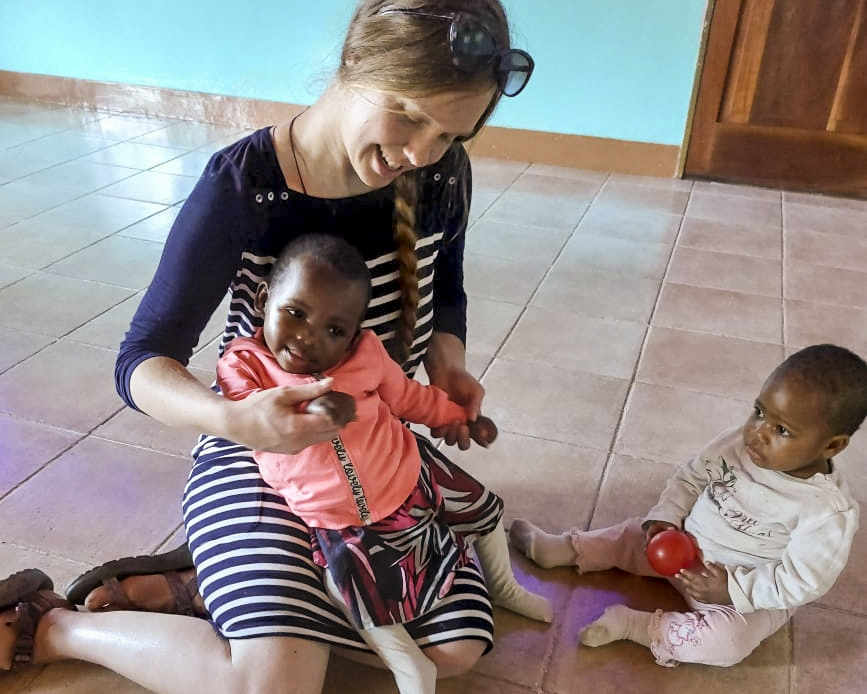
The College gave me a deep desire for excellence and goodness, especially an eagerness to try and re-instill an understanding of the good and beautiful into our broken society. As a result of this desire to restore these beautiful, good things, I have wanted to cut back on the materialism of our day in a drastic way for a long time. But that seemed so impossible back home, in the state of Washington.

At first, I would say that I found my way to Malawi by accident, but I think it would be more accurate to say that it was Providence. A year ago, I traveled to Malawi as part of a Sister Parish delegation and discovered a life that I had only dreamed of—a simple life close to the earth, full of song, laughter, and faith. In this place, I saw the possibility of living simply and in harmony with God’s world at a place where I truly have something to offer. So I returned to teach literature and history for a year, but also to learn how to live my life more beautifully.

Benjamin Corcoran

Since graduation, I’ve worked as a teacher and administrator at a number of classical academies in Texas—spending time in both the Great Hearts and Valor systems—and now, back “home” in Wyoming, I can look back on what I’ve achieved so far and see how much of it came from my alma mater.

I’ve worn many hats and developed many skills since my time in Lander, and that growth is tied directly to the way Wyoming Catholic College fed my interests as a student and gave me the freedom and encouragement to explore those interests. Whether it be working in school administration, mentoring and coaching new teachers, creating syllabi, or designing and facilitating workshops for the various educational networks I’ve called home, my experiences with the original texts and great works of the Western tradition (and the leadership skills I developed in the Outdoor Program) have been vital to my success. Learning how to read well and deeply, how to discuss often-difficult ideas and resolve issues in a persuasive and joyful way—even the appreciation for talking with others face-to-face rather than through the “filtered, curated” lenses of socials media that was cultivated in me by the College’s technology policy—have all played a significant part in where I am today.

An educator needs to be a generalist. Even someone who’s carved out a career as a specialist must have a love of and appreciation for the deeper, most fundamental questions. Teachers must see and appreciate the connections between disciplines; they must be able to recognize and bring out and pass along those “hyperlinks” to their students. The kernel of my success as a teacher is that is that I love to learn, and you can’t be a good teacher if you don’t love to learn. But seeing the interconnectedness and integration of thought was vital to my development as a teacher.

Quite simply, my love of learning comes directly from my time at Wyoming Catholic, and I’m forever indebted to her for that.

Carolyn Varadan (née De Salvo)

After graduating from Wyoming Catholic College (WCC), I pursued a career in law. I attended Ave Maria School of Law, where I graduated second in my class (my study partner and now husband graduated first) and served as the managing editor of the Law Review. After starting my legal career clerking for a Florida appellate judge, I have taken an Of Counsel position with Fusion Law.

WCC gave me the intellectual and spiritual tools to succeed in law school and as an attorney. Intellectually, I gained a deep love for our nation’s founding and Constitution at WCC, and I learned the ideals of government directly from the greats—Plato, Aristotle, Cicero, Aquinas, Madison, Hamilton, Jay, and Washington. These ideals give my daily work as an attorney purpose where I advise a judge, interpret statutes and case law, and sort through opposing arguments. They also give meaning to the oath of fidelity I made to the Constitution when I became an attorney.

Likewise, I credit my success in law school to my intellectual training at WCC for three reasons. First, I was taught to think logically at WCC. After learning to apply first principles to particulars at WCC, learning to apply the law to individual cases felt like second nature. Second, I knew how to express myself clearly in my Socratic-style law school classes because I had four years of Socratic-style courses at WCC. Third, the study expectations in law school were easy to meet because I had already been expected to keep up with WCC’s challenging Great Books curriculum. Put simply, WCC made my transition to law school natural.

Spiritually, I also gained the habits and practices necessary to thrive at WCC. Specifically, the curriculum and the community at Wyoming Catholic challenged me to grow in virtue and faith, and I learned to take all matters—including my daily studies—to Christ in the Eucharist. I kept this practice in law school. And now my daily work would not be possible without it. I also learned what my role was as a member of the laity at WCC—how I had a duty to not only live virtuously myself but to bring the truth to society as Pope Paul VI explains in Lumen Gentium. This duty plays a special role in my job as an attorney where my daily work involves determining right from wrong.

In short, WCC prepared me for a fruitful and meaningful legal career, and I am grateful everyday for the education I received there.

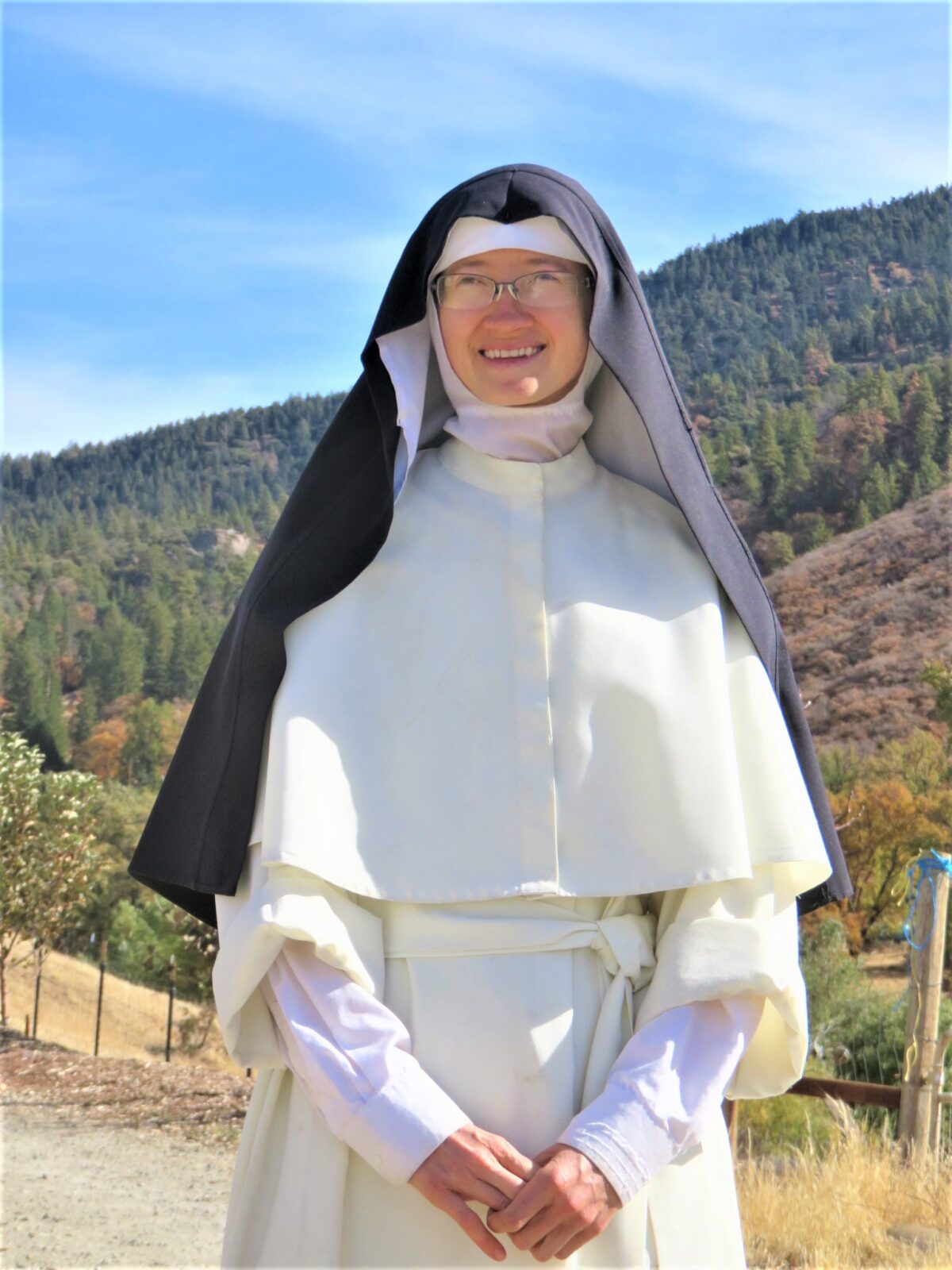
Sr. Mary Agnes Oborny

I began as a freshman at Wyoming Catholic College in the year 2009.  Singing together while hiking the trails, daily Mass whether in the Church or on a mountaintop, putting on latin skits, having discussions on angelic powers over dinner, driving cattle on horseback at a local ranch, journeying to the Truth together in the classroom, and making friends who knew and loved you in all aspects of life, who shared and spurred on the same ideals, are some of the reasons I loved the College and was thriving there.  Most importantly, the beauty of the True and the Good changed me deeply, and I found a freedom and joy to live this Catholic identity in our modern culture.

I would not have left Wyoming Catholic of my own accord for the world.  But the soil had been prepared, and in my sophomore year I discerned God’s call to leave all and give my life, in Christ, for the life of the world.  On September 15, 2011 I entered the cloistered convent of the Norbertine Canonesses in Tehachapi, California.  I received the name Sister Mary Agnes and gratefully made Solemn Vows on September 17, 2022.  I have always seen my life in this religious community as a fulfillment of my life at college.  There are even similar elements, and I see the two communities as close allies, so to speak, on a spiritual plane.  And so I continue in the joy of living for the True, the Good and the Beautiful.

When I hear of Wyoming Catholic, I am inspired anew to live its ideals and also my own vocation as fully as possible, so that the seeds planted there may bear much fruit, I may show my gratitude to God, and may help bring down grace upon the College to continue its mission in the Church and in the world.

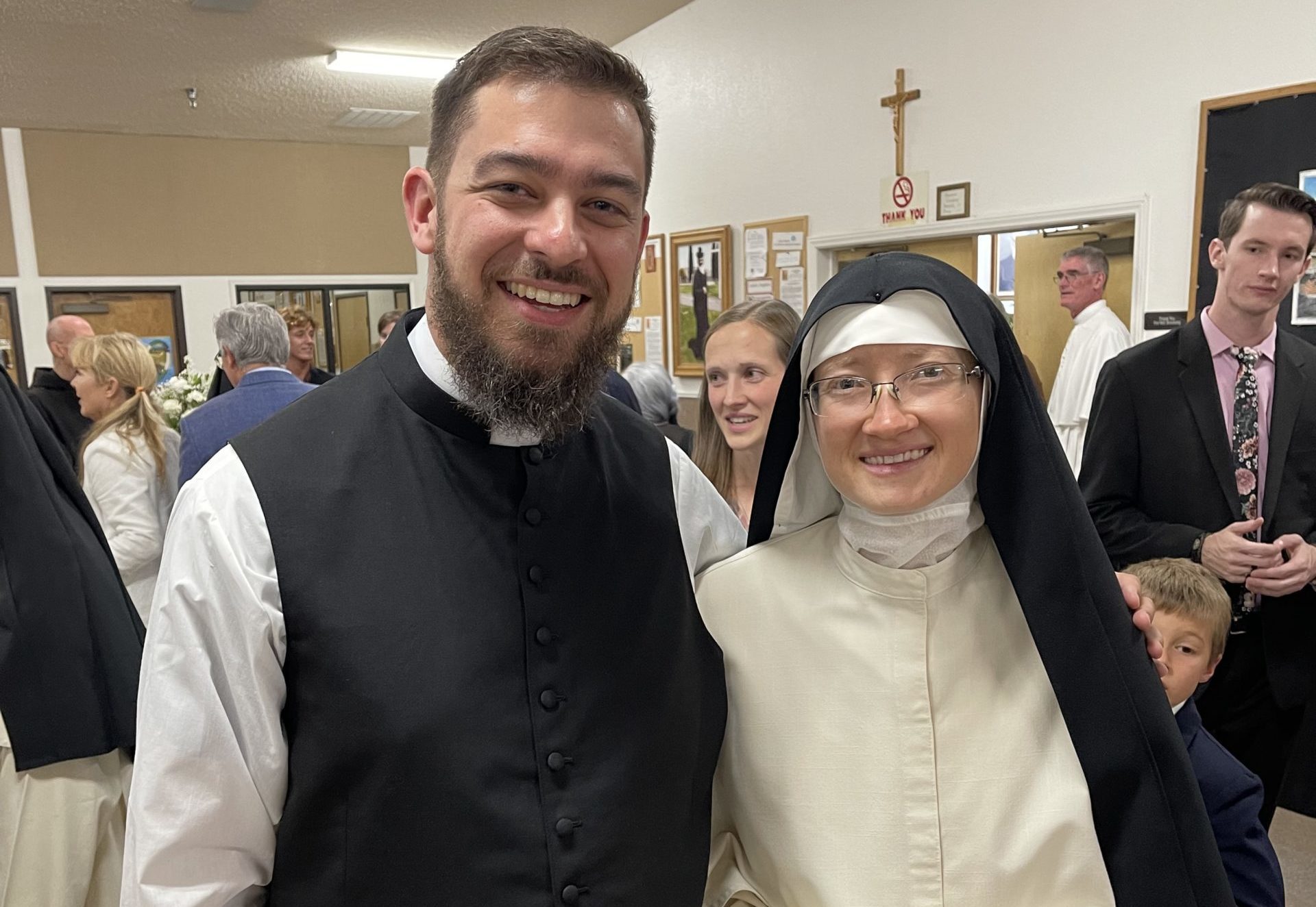
Sr. Mary Agnes with Fr. Trevor Lontine (’14) on the occasion of her final profession.

Oliver Eby

The Liberal Arts degree I received from Wyoming Catholic College is unlike any other I’ve encountered. The College’s curriculum has kept itself free from the motivations of the “servile arts.” My education encouraged me to take lessons learned in one discipline to any other discipline where those lessons applied, rather than simply collecting a set of rules for one course topic and being able to use it only in that particular field of study.

I have first-hand experience of the value of this kind of thinking, because, when I graduated from the College in 2016, I immediately started pursuing a master’s degree in bioengineering from the University of Toledo. I went from delving into Hesiod, Homer, and Hegel straight into the world of calculus, chemistry, physics, and computational physiology. As my new university put it bluntly, “there is no overlap in classes between these degrees.”

That, however, did not prevent me from applying what I learned at Wyoming Catholic to my classes in bioengineering. The College taught me how to “think as a whole person,” recognizing that every experience in my life is a lesson to be learned and is applicable to my future.  Every week, we saw how philosophy helped us to better understand humanities, how theology helped us to better apprehend the natural world, and how the Experiential Leadership Program made sense out of everything we did. It was this rich experience of integration that has enabled me to thrive in my bioengineering classes, because I was able to draw on lessons from my past experience in order to better understand such complex ideas as biotransport phenomena and thermodynamics.

During my time as a master’s student, I studied tissue engineering and wrote my thesis on creating a 3D tissue analogue that can deliver a sustained release of anti-inflammatory cytokines to modulate macrophage phenotypes and promote tissue regeneration—a long way from Theogony or The Odyssey. I also had an article published in Spine journal, “Electrical Stimulation-Mediated Tissue Healing in Porcine Intervertebral Disc Under Mechanically Dynamic Organ Culture Conditions,” on a collaborative, novel electrotherapy that can be used to heal degenerated spinal discs and prevent surgical interventions. Since earning my master’s degree in 2022, I have begun work as a biologist in the translational and transformational immunology discovery team at AbbVie, a pharmaceutical manufacturing company where we explore the world of biology every day as we seek to identify and develop new therapeutic treatments for fibrotic diseases. I can honestly say that Wyoming Catholic College has gotten me to where I am today, and I am extremely grateful and proud to be an alumnus.

Christine Battaglia-Degli Obizzi

I will be the first to tell you that attending Wyoming Catholic College (as a member of the inaugural class) instilled in me a sense of wonder and an appreciation for wisdom, which I am so proud to share with the world.

I’m always seeking new opportunities to serve and connect with others, so when I was approached shortly after graduating in 2011 and asked to design T-shirts for a charity group seeking to share their Roman Catholic message with others, it was a natural fit. That seed may have been small, but it was the start of my printing career. And thanks be to God, my family, and hard work, the business has really grown since then. Whether it’s through my Catholic women’s clothing and jewelry online store (Cherub Bella) or my family’s custom commercial printing company (OBZ Graphics), I take great pride in being able to use my creativity to provide quality printed products that make people happy.

After nearly a decade of experience in this industry, I believe that it is a great way to help people share their messages of the Lord’s truth with the world. When I founded Cherub Bella, for example, I saw it as a way to give back to the causes I have always been passionate about, especially to supporting the unborn and expectant mothers. (A portion of every order we received was donated back to local crisis pregnancy centers, as a way to support those causes most dear to me.)

My husband Mark and I focus on serving others. We fulfill numerous orders for custom apparel and printed products from businesses, schools and other organizations across the nation each year, while also being able to give back by donating money and time to our most beloved causes. Unlike some of our large international competitors, I can promise that anyone who calls OBZ Graphics or visits our Delaware retail location is greeted and assisted by me or one of my family. I personally see to it that each project gets as much of our time and attention as necessary to ensure that everything is completed to our client’s satisfaction.

My designs are inspired by the things I love, such as horses, nature, gardening, and wine, and it is my hope that I am able to be an instrument of the Lord through my art.


Joseph St. Pierre

Since graduating from Wyoming Catholic College in 2018, I have built a wealth management practice on the seacoast in New Hampshire. In a nutshell, I partner with individuals and families as their financial advisor to help them organize, build, protect, distribute and transfer their wealth.

I am truly grateful for the education that I received from the College, not only because it led me to encounter Christ in a profound way, but also because WCC cultivates and develops skills that are overlooked and lacking in today’s culture and economy. The ability to listen closely, think logically, articulate clearly, and persuade effectively – these are all part of the toolbox that Wyoming Catholic provides to its students in order to put them in a position to succeed and thrive.


Veronica Clarke

My four years at Wyoming Catholic College felt like an entire lifetime, and yet they weren’t long enough. To be matriculated into the college is to give yourself over to be made anew (matrix meaning “womb”), to be molded by the Great Books and the outdoors the way wind and water shape a canyon.

My professors taught me how to read and write with care and attention; to uphold certain principles; to strive for the good, the true, and the beautiful. These goals are shared by the publication I now work at, First Things, a New-York based magazine on religion and public life.

As its Deputy Editor (after two years in its Junior Fellowship program and several more in various other editorial positions here), I am very grateful to find myself in the good company of excellent thinkers and writers who are dedicated to the preservation of our country and its churches. I am honored and glad to be able to contribute to the magazine and its cause in whatever way I can, and look forward to what lies ahead.

“Why I Went to a Catholic College” (First Things, December 2022)

Veronica Nygaard (née Arntz)

Through the rich curriculum and profound liturgical life of Wyoming Catholic College, I discovered a deep love for the pursuit of theological studies. I decided that I wanted to continue further studies in theology. I graduated summa cum laude from the Augustine Institute with a Master of Arts in Theology, and am now a PhD student in Historical Theology at Marquette University, with a focus in medieval studies and Thomas Aquinas.

The rigorous theological curriculum at the College has prepared me well to continue my studies in theology. Moreover, the professors at Wyoming Catholic gave me an excellent formation in writing and presenting; they helped me to refine my natural abilities. While I was a senior at WCC, I began publishing my work at St. Austin Review, Homiletic and Pastoral Review, Latin Mass Magazine, Catholic Exchange, and Truth and Charity Forum. Since graduation, I have given papers at several conferences, including the Society for Catholic Liturgy’s 2016 Conference on Liturgy and the New Evangelization, St. Gregory University’s “2017 Leisure and the University: Overcoming the Habits of the Workaday World” Conference, and the Dominican School of Philosophy and Theology’s “2017 Person, Soul, and Consciousness: Philosophical and Theological Perspectives” Conference. I will also be delivering a paper at the Society for Catholic Liturgy’s 2017 Conference on Liturgy and Postmodernity. The paper I delivered at the 2016 Society for Catholic Liturgy Conference was based on my senior thesis and oration topic and has since been published in their academic journal, Antiphon.

My education at the College has given me the ability and motivation to publish and present papers at conferences. The professors’ high standards and encouragement helped me to achieve these goals. Without the demanding curriculum I experienced in Lander, which challenged me to persevere and work through difficult texts, I would not be able to participate in these academic pursuits. In comparison to many other schools, even good Catholic universities, the education offered at the College is exceptional because it is integrated and rigorous; my education truly helped me to gain the necessary research, writing and reading, and communication skills to become a scholar. I am infinitely grateful and indebted for my time at Wyoming Catholic College.