Two Weeks of PEAK Summer Adventure
We are so excited to welcome you to Lander for the PEAK Summer Program!
Over the two weeks, we will introduce you to everything WCC has to offer. Get ready for two weeks of intellectual discovery and wilderness adventure.
This page will serve as an important resource in the months leading up to your arrival in Lander. Please check it regularly for updates regarding your schedule, packing requirements, and travel details.
If you have any questions as you prepare, please do not hesitate to reach out! 
Hayley Daly
Event Coordinator
hayley.daly@wyomingcatholic.edu
307-332-2930, x.2088
Countdown!
Saturday, Day 1
- Travel Day
- Arrive on campus!
Sunday-Thursday, Days 2-6
- Morning: The program begins with Mass and community games on Sunday as well as an introduction to our horsemanship class. On Monday and Tuesday, mornings are dedicated to academic classes.
- Mid-day: Mass (either Roman or Byzantine Liturgy), Lunch and study hall
- Monday-Tuesday Afternoon Activities: Participants engage in various activities, including rock climbing, rappelling, boating, fishing, and dancing.
- Wednesday-Thursday Backpacking Preparation: Mornings continue with classes, but afternoons shift to intensive backpacking preparation, including gear checks and group meetings.
- Evening activities include adoration, confession, study hall, music, dancing, campfires, games, and more.
Friday-Monday, Days 7-10
- Backpacking Trip: The group wakes up early on Friday to leave for the trailhead with their instructors and a chaplain.
- Return: The group completes the final leg of the backpacking trip and returns to campus for gear de-issue and debriefing sessions.
Tuesday-Thursday, Days 11-13
- Classes and Activities: A return to the standard schedule of morning classes and afternoon activities.
- Ludi Mariales and Closing: The final day features Ludi Mariales (Marian games), a formal dinner, and a closing dance.
Friday, Day 14
- Travel Day
Classes
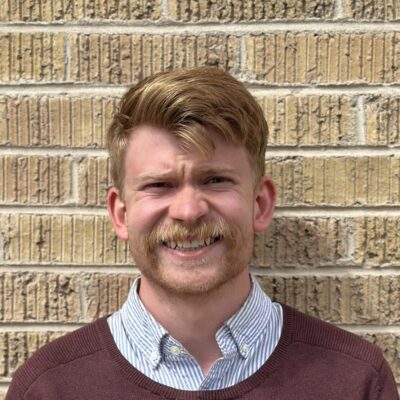
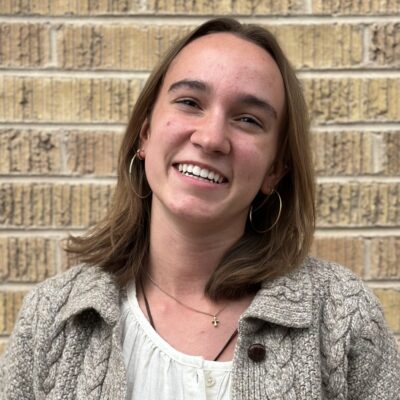
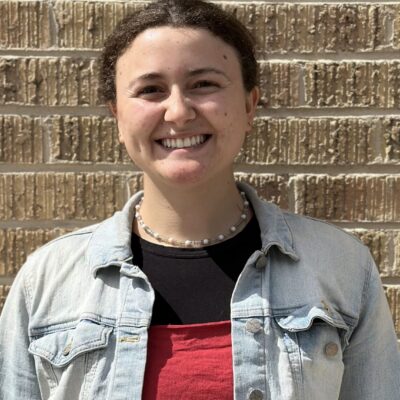
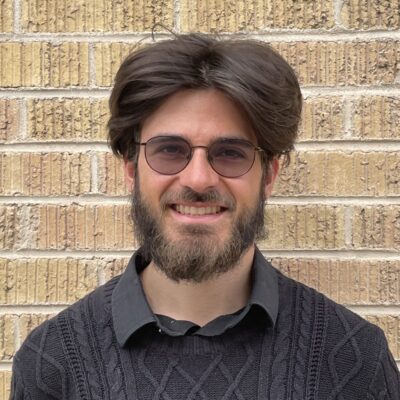
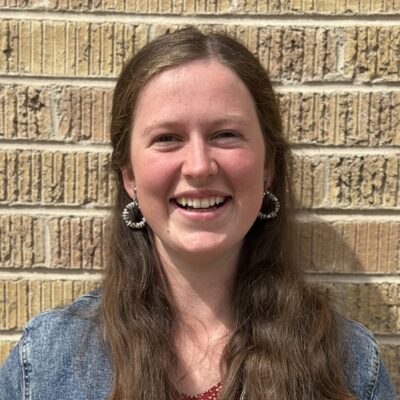
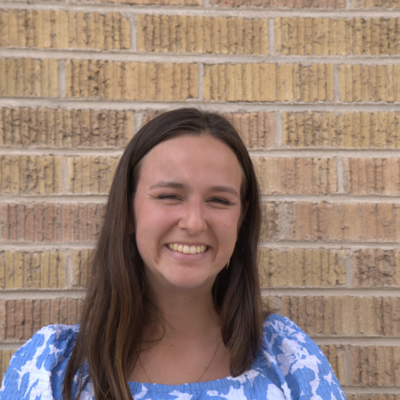
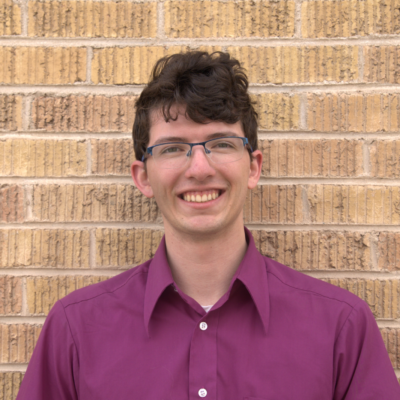
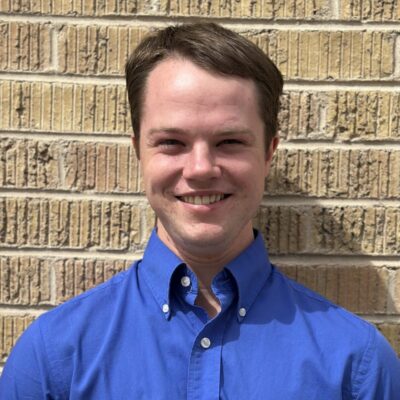
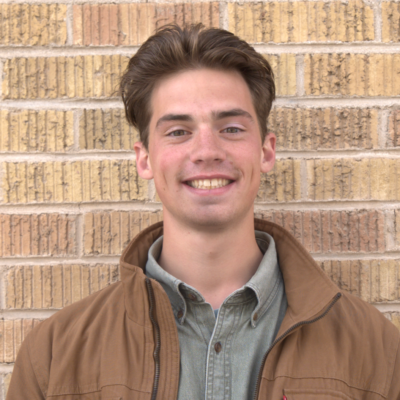
Violence and Law on the American Frontier with Dr. Pavlos Papadopoulos
Beowulf: A Hero between Two Worlds with Dr. Adam Cooper
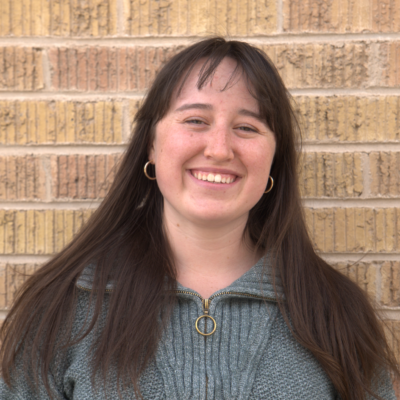
Roots of Moral Philosophy with Dr. Michael Bolin
In this short sequence, we will explore the underlying principles of one major branch of philosophy, ethics, with the help of Plato and of Judith Thomson’s famous and controversial article on the moral question of abortion. We’ll consider the practical question of how to reason well about moral questions and the theoretical question of what gives rise to objective moral facts in the first place and how they can be known. Texts will include Plato’s Euthyphro and Judith Jarvis Thomson’s “A Defense of Abortion”.
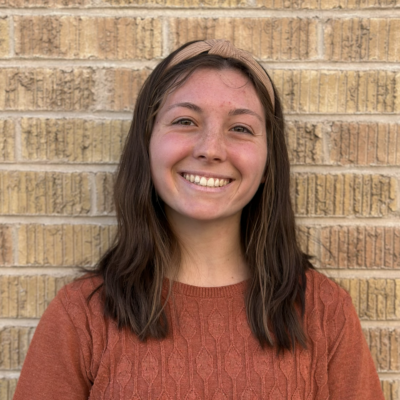
The Declaration of Independence at 250 with Dr. Pavlos Papadopoulos
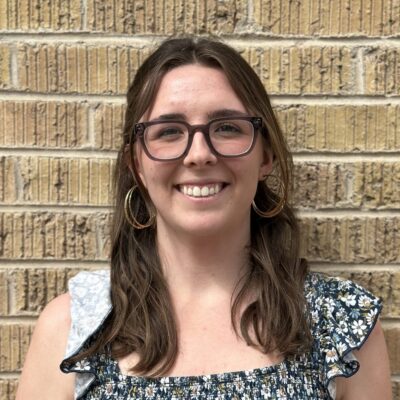
Surrounded by the Past: Wyoming’s Fossil Record with Dr. Stanley Grove
Roots of Moral Philosophy with Dr. Michael Bolin
In this short sequence, we will explore the underlying principles of one major branch of philosophy, ethics, with the help of Plato and of Judith Thomson’s famous and controversial article on the moral question of abortion. We’ll consider the practical question of how to reason well about moral questions and the theoretical question of what gives rise to objective moral facts in the first place and how they can be known. Texts will include Plato’s Euthyphro and Judith Jarvis Thomson’s “A Defense of Abortion”.
Check-List
If you are planning to fly into Denver International Airport (DIA) or Riverton Regional Airport (RIW), the College will provide a complimentary shuttle to and from the airport.
PEAK 1
- Riverton Airport (RIW): Please book the flight that arrives in the afternoon on June 6th. The departure flight can be either the morning or afternoon flight on June 19th. There will be a shuttle for all flights.
- Denver International Airport (DIA):
- When flying to Denver on June 6th, be sure to book a flight that arrives before 11 am. Our complimentary shuttle will depart Denver at noon and arrive in Lander around 6pm.
- When departing from Denver on June 19th, book a flight departing no earlier than 1:30 pm. Our complimentary shuttle will depart Lander at 5:30 am and arrive at the Denver Airport around 11:30 am.
PEAK 2:
- Riverton Airport (RIW): Please book the flight that arrives in the afternoon on June 20th. The departure flight can be either the morning or the afternoon flight on July 3rd. There will be a shuttle for all flights.
- Denver International Airport (DIA):
- When flying to Denver on June 20th, be sure to book a flight that arrives before 11 am. Our complimentary shuttle will depart Denver at noon and arrive in Lander around 6pm.
- When departing from Denver on July 3rd, book a flight departing no earlier than 1:30 pm. Our complimentary shuttle will depart Lander at 5:30 am and arrive at the Denver Airport around 11:30 am.
PEAK includes a wide range of activities—from classes and Mass to hiking, horseback riding, and a formal dinner—so students should come prepared with a mix of classroom, formal, casual, and outdoor clothing. The packing list linked below has a detailed list of items you will need for the session.
Key items you will need include appropriate attire for class and Mass, formalwear for Sunday, the closing dinner and the dance, sturdy hiking boots, warm layers, a rain jacket, and a backpack. Basic gear like a sleeping bag and pad will be provided, but students should bring personal items such as toiletries, a Nalgene water bottle, and simple eating utensils.
Personal electronics (including phones, laptops, and other devices) are not permitted during the program (secure storage will be available with the Admissions team). Students can expect an active, technology-free experience and should pack accordingly for both comfort and participation in all activities.
You can download the packing list here.
Please note that all the backpacking-specific gear (tent, stoves, food, etc.) as well as personal backpacking gear (backpack, sleeping bag, etc.) can be checked out once you arrive (rental fee is covered in the PEAK tuition).
To secure your spot for PEAK, please make the $100 deposit on our fee payment page.
Please make your final payment no later than May 23rd on our fee payment page.
Complete the Risk Waiver